

Dfrgui Exe 2 usually refers to a second instance of the Windows Disk Defragmenter executable running in Task Manager, which appears legitimately during scheduled maintenance but indicates system file corruption or malware if running outside C:WindowsSystem32.
This application interface manages cluster consolidation for hard disk drives and TRIM commands for solid-state drives. Duplicate instances typically stem from dual process instantiation, multi-user sessions, command-line flags, or malicious naming mimicry.
The rest of this article covers how to verify if a process is safe, methods to resolve high resource usage, and steps to adjust scheduled optimization in Task Scheduler.
Dfrgui Exe 2: Troubleshooting Common Issues
Dfrgui Exe 2 usually refers to a second instance of the Windows Disk Defragmenter executable running in Task Manager or a background command-line trigger for drive optimization. A legitimate duplicate appears when Windows runs scheduled disk maintenance alongside a user-opened window, but high CPU usage outside C:WindowsSystem32 indicates system file corruption or malware impersonation.
What is dfrgui.exe and why does Dfrgui Exe 2 appear in Task Manager?
The executable dfrgui.exe stands for Disk Defragmenter Graphical User Interface. In Windows 10 and Windows 11, Microsoft labels this application interface as Optimize Drives or Defragment and Optimize Drives. Its purpose is to help maintain drive health, reorganize scattered file fragments on traditional mechanical hard disk drives (HDDs), and send TRIM commands to solid-state drives (SSDs).
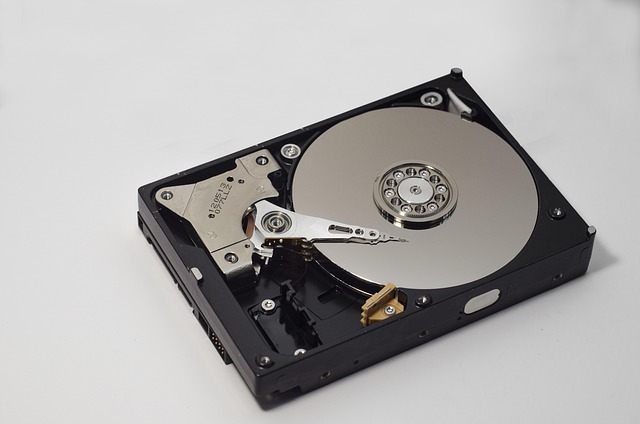
When you see Dfrgui Exe 2 in your system processes, it usually stems from one of four technical reasons:
- Dual process instantiation: You manually opened the Optimize Drives desktop interface while Windows Task Scheduler was already running a scheduled optimization pass in the background.
- Multi-user sessions: On computers with multiple user accounts signed in simultaneously, separate instances of dfrgui.exe can launch under different user profiles.
- Command-line parameter flags: Automated scripts or maintenance routines occasionally launch command line instances with numeric trailing arguments that display as separate entries in process monitoring software.
- Malicious naming mimicry: Viruses or cryptominers intentionally name themselves after official Windows components, appending numbers like “2” or modifying letters to avoid immediate detection by casual users checking Task Manager.
How Windows optimizes hard drives versus solid-state drives
Understanding how `dfrgui.exe` interacts with your hardware helps prevent unnecessary troubleshooting. Windows treats traditional magnetic disk drives and flash-based solid-state storage differently during optimization cycles.
On mechanical hard drives, files become fragmented over time across different physical sectors. The dfrgui interface commands the underlying `defrag.exe` engine to physically relocate file segments into contiguous disk blocks, reducing read head movement and improving file access speeds. On SSDs, physical fragmentation does not slow down read speeds because there are no moving mechanical parts. Instead, dfrgui issues TRIM commands that tell the SSD controller which data blocks are no longer needed, allowing the drive to clear space in advance and maintain fast write speeds.
| Drive Attribute | Hard Disk Drive (HDD) | Solid-State Drive (SSD) |
|---|---|---|
| Primary Optimization Action | Defragmentation (cluster consolidation) | TRIM / Retrim command execution |
| Process Duration | 30 minutes to several hours | A few seconds to several minutes |
| Resource Usage during Run | High disk read/write, moderate CPU | Low disk I/O, brief CPU activity |
| Recommended Maintenance Interval | Weekly or monthly depending on usage | Weekly TRIM pass (managed automatically) |
| Risk of Excessive Wear | Low mechanical impact | Excessive defragmentation causes write wear |
How to diagnose if dfrgui.exe is safe or malicious
If you suspect a duplicate dfrgui.exe process is consuming excessive resources or acting suspiciously, follow these diagnostic steps to verify its legitimacy before taking corrective action.
1. Check the file location in Task Manager
Open Task Manager by pressing Ctrl+Shift+Esc. Switch to the Details tab, find all instances of `dfrgui.exe`, right-click the file, and select Open file location.
A legitimate Windows executable always resides in C:WindowsSystem32dfrgui.exe. If Task Manager points to directories such as C:UsersAppDataLocalTemp, C:ProgramData, or a user’s Downloads folder, the file is almost certainly malicious.
2. Inspect the digital signature
Right-click the executable file, choose Properties, and open the Digital Signatures tab. Select the signature in the list and click Details. Valid system files feature a digital signature issued directly to “Microsoft Windows.” Missing signatures or third-party signers on system file names are clear indicators of file tampering.
3. Verify the executable path with PowerShell
You can run a command line query to audit every running instance and its exact command path. Open PowerShell and run the following command:
Get-WmiObject Win32_Process -Filter "Name='dfrgui.exe'" | Select-ProcessId, ExecutablePath, CommandLine
Review the output to confirm that all listed processes originate from the official System32 folder. Security guidelines from the Cybersecurity and Infrastructure Security Agency (CISA) highlight process path verification as an essential standard practice when evaluating suspicious background tasks on enterprise endpoints.
Common causes of high resource usage from dfrgui.exe
When dfrgui.exe or a duplicate process causes High CPU or elevated RAM consumption, it usually traces back to specific underlying triggers rather than simple random failure.
- Stuck TRIM operations on corrupted volumes: If a solid-state drive contains bad sectors or logical file system errors, the optimization service can get stuck in a loop trying to pass retrim flags to unreadable storage blocks.
- Conflicts with third-party security software: Real-time antivirus scanning engines sometimes lock system files during background defragmentation, forcing dfrgui.exe to repeatedly re-queue tasks and spin up extra threads.
- Corrupted Windows system files: Damaged system binaries or broken registry entries can cause the drive optimizer interface to crash silently, restart automatically, and create duplicate hung instances.
- Large file transfers during background maintenance: If Windows Automatic Maintenance launches drive optimization while you are copying hundreds of gigabytes of data or installing large games, disk I/O spikes dramatically.
- Cryptomining malware impersonation: Malicious programs often adopt legitimate names like dfrgui.exe to conceal stealth mining operations that push CPU utilization toward 100 percent.
Step-by-step solutions to fix dfrgui.exe errors
Follow these structured troubleshooting methods to resolve process duplication, clear resource bottlenecks, and restore normal drive optimization functions.

1. Terminate hung processes
When duplicate or unresponsive instances of dfrgui.exe freeze your desktop, force-close them using Task Manager or an administrative Command Prompt.
- Press Windows Key + X and select Terminal (Admin) or Command Prompt (Admin).
- Type the following command and press Enter:
taskkill /F /IM dfrgui.exe /T - Verify in Task Manager that all instances of dfrgui.exe have closed cleanly.
2. Run disk error checks (CHKDSK)
Bad sectors and corrupted file allocation tables frequently disrupt drive optimization tools. Running the Windows Check Disk utility scans and repairs underlying storage volume bugs.
- Open Command Prompt as an administrator.
- Type
chkdsk C: /f /rand press Enter. - If prompted to schedule a scan upon the next restart, type
Yand reboot your computer. - Allow the drive scan to complete uninterrupted before attempting to re-run disk optimization.
3. Repair corrupted system files with SFC and DISM
If system files associated with the defragmenter service become corrupted, standard Windows repair commands can replace missing or damaged dependencies.
- Open Command Prompt as an administrator.
- Execute the Deployment Image Servicing and Management command:
DISM /Online /Cleanup-Image /RestoreHealth - Wait for the DISM repair process to reach 100 percent completion.
- Execute the System File Checker command:
sfc /scannow - Restart your PC once SFC finishes replacing damaged binaries.
4. Run a full security scan
If any instance of dfrgui.exe is located outside the System32 directory, perform a comprehensive anti-malware scan immediately using Windows Security or an updated third-party antimalware tool. Quarantine or remove any flagged files, then reboot your machine.
Managing scheduled optimization in Task Scheduler
Windows automatically schedules drive optimization routines through its internal Task Scheduler. Adjusting these settings prevents automatic maintenance tasks from unexpectedly launching during heavy system use.
How to adjust or disable scheduled defragmentation
- Press Windows Key + R, type
taskschd.msc, and press Enter to open Task Scheduler. - In the left pane, navigate to:
Task Scheduler Library > Microsoft > Windows > Defrag. - In the middle pane, locate the task named ScheduledDefrag.
- To stop automatic background runs, right-click ScheduledDefrag and choose Disable.
- To modify run conditions, double-click the task, open the Triggers tab, click Edit, and change the schedule to run at times when the PC is idle.
For systems equipped exclusively with modern NVMe or SATA SSDs, complete disabling of scheduled optimization is generally discouraged because Windows uses this schedule to issue necessary periodic TRIM commands. Instead of disabling the task entirely, setting the schedule to a weekly or monthly off-peak time is recommended.
Real-world scenarios and security prevention
Consider a practical office scenario where a workstation experienced severe desktop lag and constant cooling fan noise every Tuesday morning. Checking Task Manager revealed two separate `dfrgui. Further investigation showed that an older automated backup program was attempting to run its own bundled disk defragmenter alongside Windows Task Scheduler’s internal drive maintenance task, resulting in conflicting disk locks.

By disabling the legacy backup utility’s secondary optimization module and leaving Windows to handle TRIM natively, resource consumption dropped back to normal baseline levels. Treating background process spikes as a diagnostic symptom rather than assuming an immediate hardware failure prevents unnecessary OS reinstalls or driver modifications, whether dealing with a native utility issue or a potential security threat.
To keep your operating system running efficiently without unexpected background bottlenecks, implement these core preventative habits:
- Keep storage capacity clear: Maintain at least 15 percent free capacity on primary boot drives so optimization operations can temporarily reallocate blocks without hitting storage thresholds.
- Avoid installing duplicate disk tools: Rely on Windows built-in storage management rather than installing multiple third-party disk defragmentation tools that clash with native system tasks.
- Maintain current Windows updates: Microsoft regularly releases stability updates that patch background servicing bugs in system maintenance utilities.
Frequently asked questions
Is dfrgui.exe a virus?
No, dfrgui.exe is a safe, built-in Windows executable responsible for launching the Optimize Drives user interface. However, malware can attempt to disguise itself using similar process names, so you should always verify that the running file is located in C:WindowsSystem32.
Why do I see dfrgui.exe running twice in Task Manager?
Seeing two instances typically means you opened the Optimize Drives window manually while an automated background optimization task was already running. It can also occur when multiple user accounts are signed into the computer at the same time or if a third-party application triggers a secondary background instance.
Can I safely delete dfrgui.exe from my computer?
You should never delete dfrgui.exe from your System32 folder. Deleting official operating system files breaks Windows administrative tools and can cause system instability; if you want to prevent automatic runs, disable the ScheduledDefrag task in Task Scheduler instead.
What is the difference between dfrgui.exe and defrag.exe?
The dfrgui.exe file provides the visual window interface (GUI) where users click buttons to analyze or optimize drives. The defrag.exe file is the underlying command-line engine that actually executes the disk defragmentation and TRIM operations in the background.
What should I do if dfrgui.exe crashes whenever I open it?
If the application crashes upon launch, open Command Prompt as an administrator and run `sfc /scannow` followed by `chkdsk C: /f` to resolve system file damage or underlying storage drive errors blocking the interface.