

A Rolls-Royce interior is a custom-built luxury cabin engineered for extreme acoustics and tailored by hand at Goodwood using full-grain leather hides, bookmatched wood veneers, and deep lambswool carpets. It features signature elements like the Starlight Headliner and bespoke dash installations, transforming each vehicle into a personalized, whisper-quiet mobile sanctuary.
What makes a Rolls-Royce interior unique?
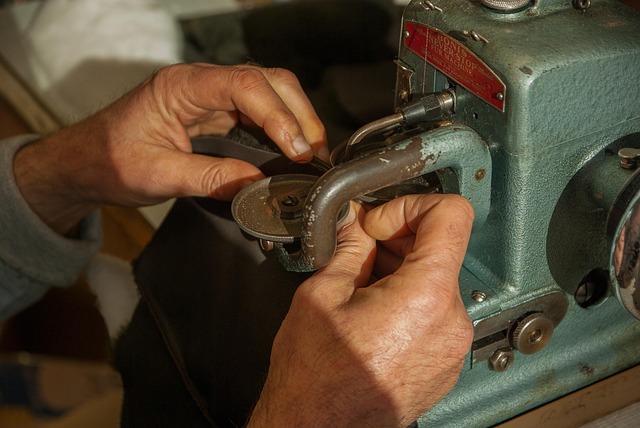
The foundation of every Rolls-Royce interior rests on uncompromised material selection and artisanal assembly. Rather than relying on automated mass-production lines, the company employs over 200 skilled craftspeople at its manufacturing facility in Goodwood, England. These artisans spend hundreds of hours selecting, cutting, stitching, and inspecting every interior component by hand.
Material standards are exceptionally strict. Leather hides are sourced exclusively from male bulls raised in high-altitude European pastures, where cold temperatures reduce insects and wire fencing is omitted to prevent hide scarring. Tanned through a drum-dyeing process that colors the leather completely through, the hides retain their natural softness and scent without heavy synthetic surface topcoats.
Wood veneers undergo an equally painstaking selection process. Timber for a single vehicle interior is harvested from a single tree to preserve consistent grain structure, tone, and age across all panels. Craftspeople mirror adjacent cuts across the central cabin axis through a process called bookmatching. For lacquered options, panels receive up to 10 separate coats of polish over a 21-day finishing process to achieve a flawless mirror finish. Contemporary open-pore wood options are also available to preserve the natural grain texture.
How is the signature Starlight Headliner made?
The Starlight Headliner is one of the most technical features crafted for a luxury motor car cabin. Technicians pierce the roof’s leather lining with thousands of tiny perforations before carefully threading individual fiber optic cables through by hand. Depending on the vehicle model and pattern complexity, a single headliner uses between 800 and 1,600 optical fibers.
Creating one Starlight Headliner takes upwards of 17 hours of manual labor. The optical fibers connect to a light engine hidden in the body shell that controls brightness and color tone. Recent developments allow for animated shooting star effects and dynamic constellation shifts across the ceiling leather. Owners frequently request custom celestial patterns that replicate the exact night sky over a specific location on a meaningful date, such as a birth or wedding anniversary.

What bespoke customisation options can buyers choose?
Rolls-Royce offers customisation through its Bespoke Collective, a specialized team of designers, engineers, and craftspeople. Rather than picking from fixed option lists, buyers collaborate directly with the factory to realize custom themes, specialized materials, and personal iconography.
Customisation possibilities extend from embroidered family crests on headrests to hand-painted artwork across dash panels. On flagship models like the Phantom, the dashboard features “The Gallery”—a continuous glass enclosure spanning the front fascia that holds commissioned artworks, micro-sculptures, or precious metal motifs. The table below outlines standard interior features alongside popular bespoke additions.
| Feature | Standard Offering | Bespoke Enhancement |
|---|---|---|
| Leather Upholstery | Full-grain hand-stitched leather in curated colors. | Custom color matching, personalized embroidery, contrast piping, and inlaid leather designs. |
| Wood Veneers | Bookmatched high-gloss wood finishes. | Open-pore woods, intricate marquetry, rare timber species, or precious metal inlays. |
| Starlight Headliner | Static starry night light layout. | Custom constellations, shooting star animations, and personalized celestial date maps. |
| Dashboard Fascia | Lacquered wood trim with analog clock. | “The Gallery” glass art display, hand-painted artwork, or illuminated fascia panels. |
| Interior Controls | Polished metallic dials and switchgear. | Rose gold plating, frosted metal finishes, or custom engravements on controls. |
How does Rolls-Royce achieve total acoustic isolation?
Achieving a serene cabin requires engineering that reduces ambient exterior noise. Rolls-Royce designs its vehicle architecture around a quiet cabin framework using over 100 kilograms (220 pounds) of acoustic insulation placed between the frame, floorpan, and body cavity panels.
Double-glazed acoustic windows block ambient traffic hum, while tires filled with specialized acoustic foam reduce road surface noise by up to nine decibels. Thick lambswool floor mats absorb sound reflections inside the passenger space. Climate control is managed proactively across independent zones, filtering cabin air through multi-stage purifiers while quietly maintaining passenger comfort settings.
How is modern vehicle technology integrated into the cabin?
Vehicle technology inside a Rolls-Royce interior is designed to assist passengers without distracting from the traditional aesthetic. High-definition infotainment displays sit behind motorized wood veneer panels, concealing the screens when they are not in use.
Driver instruments combine digital displays with traditional analog styling for clear legibility. Rear-seat passengers access folding infotainment screens and control interfaces concealed inside center armrests. The brand’s digital ecosystem pairs with physical rotary controls crafted from real metal, avoiding lightweight plastic touchpads.

How do interior features vary across Rolls-Royce models?
While material quality remains consistent across the brand line, cabin layouts are tailored to match each model’s specific driving dynamic:
- Phantom: The flagship executive saloon offers maximum legroom, an optional glass partition Privacy Suite, rearSerenity seats, and “The Gallery” glass dash.
- Cullinan: Built for all-terrain versatility, featuring raised stadium seating, durable leather treatments, and an optional tailgate Viewing Suite with deployable leather seats. Read more about this model on the Rolls-Royce Cullinan resource page.
- Ghost: Focuses on a minimalist design philosophy with simplified stitch lines, subtle trim panels, and an Illuminated Fascia featuring thousands of laser-etched star points.
- Spectre: The brand’s electric coupe pairs smooth battery-electric driving with innovative cabin choices like Starlight Doors, which extend fiber optic lighting into the interior door linings.
How does the bespoke interior ordering process work?
Commissioning a tailored vehicle interior follows a systematic design path from concept through to final handoff:
- Design Consultation: The client meets with a Bespoke designer at Goodwood or a regional showroom to review hide samples, wood veneers, paint swatches, and stitching options.
- Concept Rendering: Visual designers produce detailed digital renderings and material sample boards showing proposed color schemes and panel layouts.
- Artisanal Crafting: Artisans spent several months tanning hides, bookmatching wood veneers, hand-stitching seats, and assembly-testing custom artistic components.
- Quality Inspection: The finished cabin undergoes inspection steps to evaluate stitch uniformity, panel fitments, physical dial action, and acoustic silence.
- Vehicle Handoff: The completed car is presented to the buyer along with personalized documentation and custom fitted accessories matching the cabin interior.
What are the main trade-offs and who is this interior not for?
Despite the high degree of luxury offered by a Rolls-Royce interior, prospective owners must consider several practical factors:
- Extended Lead Times: Crafting unique wood marquetry or custom celestial headliners can extend production delivery schedules from six months to over a year.
- Higher Financial Commitment: Bespoke options add significant costs above base pricing. Commissioning unique materials or custom artwork can push total vehicle prices beyond $700,000.
- Specialized Care: Light leather finishes, open-pore woods, and lambswool carpets demand regular detailing to prevent wear, soil retention, and surface staining.
- Who it does not suit: Buyers looking for fast off-the-lot delivery, low-maintenance daily utility, or lightweight carbon-fiber sports seating will find a Rolls-Royce interior poorly suited to their preferences.
Frequently asked questions
What makes a Rolls-Royce interior so quiet?
Cabin quietness comes from over 100 kilograms of sound-absorbing material, double-glazed acoustic glass, foam-lined tires, and an engineered aluminum spaceframe that minimizes structural vibration.
How much does a bespoke Rolls-Royce interior cost?
While base model interiors are already fully equipped, bespoke customisation options generally add between $50,000 and $300,000 or more depending on material selection and design complexity.
Are Rolls-Royce interiors completely handmade?
Key interior elements are crafted manually by over 200 artisans at the Goodwood plant. Tasks such as hide cutting, leather stitching, wood veneer bookmatching, and threading fiber optic headliners are done by hand.
Can you customize the Starlight Headliner pattern?
Yes, owners can request custom constellation maps, family crests, zodiac arrangements, or star placements reflecting specific historical dates and geographical locations.
How do you care for a Rolls-Royce leather interior?
Because the hides are natural drum-dyed leather, they require periodic conditioning and gentle cleaning with non-abrasive, pH-neutral cleaners to maintain soft suppleness without damaging the material.
References and related articles
Historical and reference context for vehicle design and craftsmanship can be explored at Britannica. You can also view technical digital editing guides such as the Cyberlink Powerdirector Downloader Exe tutorial.