
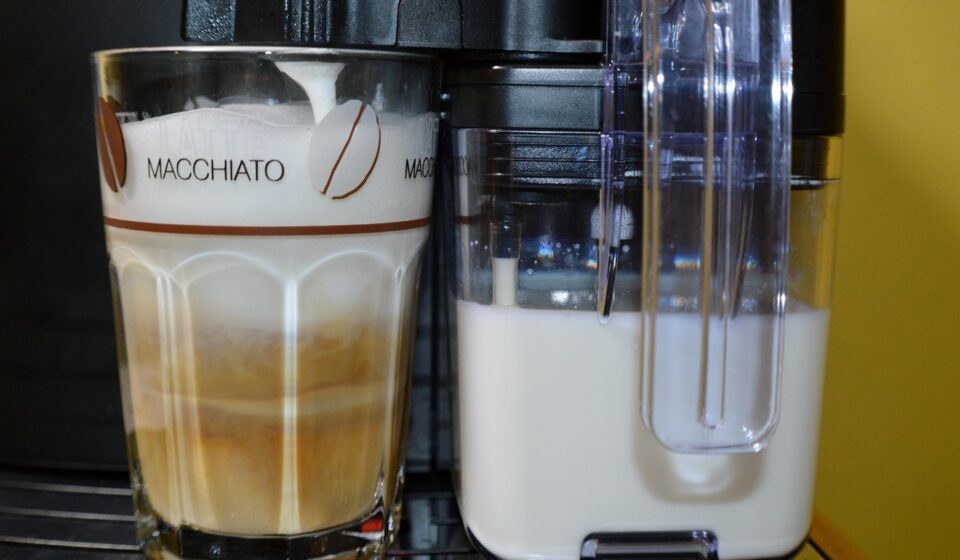
A latte machine elevates your daily coffee experience by extracting concentrated espresso from finely-ground beans and texturizing milk into a creamy microfoam. These machines execute these core functions with varying degrees of automation, ranging from hands-on manual control to automated systems.
This guide breaks down the primary categories of latte machines, including manual, semi-automatic, and super-automatic models. It evaluates essential features such as integrated grinders, milk frothing mechanisms, boiler types, and pump pressure.
Finally, a practical buying checklist covers key considerations including budget options, counter space, daily maintenance, and drink preferences to help you choose the right machine for your home.
Understanding the Core of a Latte Machine
At its heart, a latte machine is designed to brew espresso and prepare milk for a latte. This typically involves two primary functions: extracting a concentrated shot of coffee from finely-ground beans and heating/texturizing milk to a creamy, microfoam consistency. The quality of both these elements directly impacts the final beverage.
Different machines approach these tasks with varying levels of automation and complexity. Some require significant barista skill, while others do most of the work for you. Understanding these fundamental differences is the first step in making an informed decision.
Decoding the Types: Manual, Semi-Automatic, and Super-Automatic
The primary distinction among latte machines lies in their degree of automation, affecting both user involvement and the consistency of results.
Manual Espresso Machines
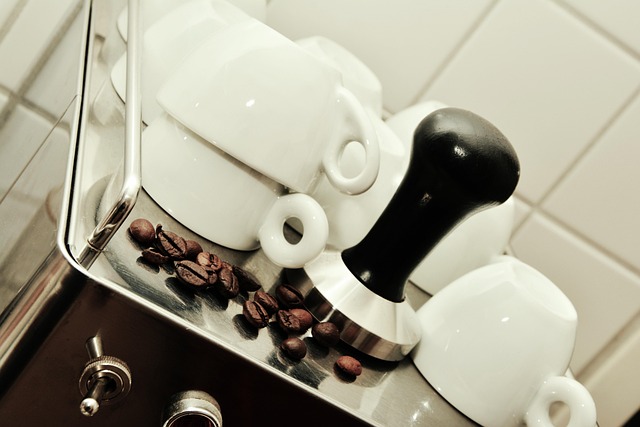
These machines offer the highest level of control but also demand the most skill. You are responsible for grinding the beans, tamping the coffee grounds, and often manually controlling water temperature and pressure. Milk frothing is typically done with a steam wand, requiring practice to achieve perfect microfoam.
Use Case: Ideal for the dedicated coffee enthusiast who enjoys the ritual of making coffee and wants complete control over every variable. Think of it as akin to playing a finely tuned instrument.
Semi-Automatic Espresso Machines
This is the most common type found in home kitchens and many coffee shops. You control the grind, tamp, and lock in the portafilter. However, the machine manages the water temperature and pressure, and you control the shot duration (either by timing it yourself or using a pre-programmed setting). Milk frothing is usually done via a steam wand, similar to manual machines.
Use Case: A great balance for those who want some control over their brew but appreciate automated temperature and pressure control for consistency. It’s the workhorse for many aspiring home baristas.
Super-Automatic Espresso Machines
These are the ‘bean-to-cup’ machines. They handle everything: grinding beans, brewing espresso, and often frothing and dispensing milk, all at the touch of a button. Some even have integrated milk carafes that store milk in the fridge and automatically dispense it.
Use Case: Perfect for those who prioritize convenience and speed, want a wide variety of coffee drinks with minimal effort, or have limited counter space but still crave a good latte.
Fully Automatic Latte Makers
A subset of super-automatic machines, these are specifically designed for one-touch milk-based drinks. They might have a built-in grinder or use pre-ground coffee, and the milk frothing is fully integrated and automated, often with pre-set drink options like ‘latte,’ ‘cappuccino,’ or ‘macchiato.’ The Midea 10-in-1 Fully Automatic Espresso Machine is an example often found at retailers like Costco, aiming for accessibility.
Use Case: For users who want the simplest possible experience for milky coffee drinks, with minimal learning curve and maximum speed.
Essential Features to Evaluate in Your Latte Machine
Beyond the automation level, several key features significantly influence a latte machine’s performance, ease of use, and the quality of your coffee.
Grinder Integration
Some machines have built-in grinders, offering true bean-to-cup convenience. The quality and adjustability of these grinders are crucial. Burr grinders are superior to blade grinders for consistent particle size, which is essential for good espresso extraction.
Use Case: Super-automatic and some semi-automatic machines feature integrated grinders. This saves counter space and simplifies the workflow.
Milk Frothing System
This is where the ‘latte’ in latte machine truly comes into play. Systems vary from manual steam wands to automatic frothers and integrated carafes.
- Manual Steam Wand: Offers the most control over milk texture and temperature, ideal for latte art, but requires significant practice.
- Automatic Frother/Carafe: These systems heat and froth milk at the touch of a button, often storing it in a refrigerated carafe. They are convenient but can produce a foam that’s less integrated or fine than manually frothed milk. Terra Kaffe’s Aero, for instance, is engineered for enhanced milk and matcha frothing, showcasing advancements in dedicated frothing technology.
- Panarello Wand: A type of steam wand with a plastic sleeve that introduces air more easily, making it simpler for beginners to get decent foam, though often less velvety than true microfoam.
Use Case: If you drink a lot of milk-based coffees and value speed, an automatic system is appealing. If you’re pursuing latte art and the perfect texture, a manual wand is usually preferred.
Brew Group and Pressure
For espresso extraction, the brew group is the heart of the machine. It’s where hot water is forced through the coffee grounds. Most espresso machines use a pump to generate pressure. Standard espresso pressure is around 9 bars, though many machines are rated for 15 bars or higher (this is pump maximum, not necessarily what’s delivered to the puck).
Use Case: Crucial for achieving the rich crema and balanced flavour of a good espresso shot. Consistent pressure and temperature are key.
Boiler Type
The boiler heats the water for both brewing and steaming. The type of boiler affects how quickly the machine heats up and its ability to steam milk and brew espresso simultaneously.
- Single Boiler: The most basic type. Heats water for either brewing or steaming, requiring a wait time between functions.
- Heat Exchanger (HX): Uses a single boiler with a tube running through it for steam. It can brew and steam more concurrently but can have temperature stability issues.
- Dual Boiler: Has separate boilers for brewing and steaming, allowing for simultaneous operation and precise temperature control for both functions. These are generally the most expensive and complex.
Use Case: For busy households or those who make multiple drinks back-to-back, a dual boiler is ideal. Single boilers are fine for occasional use or single-drink preparations.
Water Reservoir and Footprint
Consider the size of the water tank – how often do you want to refill it? Also, measure your counter space. Some high-end machines, especially super-automatics with integrated grinders and milk systems, can be quite large.
Use Case: If you live in an area with hard water or make many drinks, a larger reservoir is convenient. For small kitchens, a compact design is a must.
Your Latte Machine Buying Checklist for 2026
Selecting the right latte machine involves balancing your needs, budget, and preferences. Here’s a structured approach:
Set Your Budget
Latte machines span a wide price range. Basic automatic frothers can be under $100, while high-end dual-boiler semi-automatic machines can exceed $3,000. Super-automatics often fall between $500 and $2,000. Remember to factor in the cost of accessories like grinders, tampers, milk pitchers, and quality coffee beans.
Use Case: Entry-level machines are great for casual drinkers. Mid-range offers better features for enthusiasts. High-end is for the serious hobbyist or those wanting ultimate convenience.
Convenience vs. Control
Are you a ‘press a button and get coffee’ person, or do you enjoy the process and want to fine-tune every step? This is the most crucial question. Super-automatics prioritize convenience, while manual and semi-automatic machines offer more control.
Use Case: If you’re always in a rush, a super-automatic is likely your best bet. If you enjoy the craft and want to experiment, a semi-automatic machine provides a good balance.
Counter Space and Aesthetics
Machines vary greatly in size and style. Some are sleek and compact, designed to fit smoothly into modern kitchens, while others are more industrial or strong. Consider how the machine will look and fit in your specific kitchen environment.
Use Case: For small kitchens, compact semi-automatic machines or smaller super-automatics are ideal. For those with ample space and an eye for design, larger, more feature-rich models are available.
Maintenance and Cleaning Habits
All coffee machines require cleaning. Super-automatic machines with integrated milk systems can be more involved to clean daily. Semi-automatic machines require backflushing and descaling, and manual steam wands need immediate wiping after each use. Be honest about how much cleaning you’re willing to do.
Use Case: If daily deep cleaning of milk lines feels like a chore, opt for a machine with a simpler frothing mechanism or a manual wand you can easily wipe down. Super-automatics with removable, dishwasher-safe milk carafes are a good compromise.
Your Go-To Drinks
Do you primarily drink lattes and cappuccinos, or do you also enjoy straight espresso, Americanos, or other specialty drinks? Some machines excel at milk-based drinks but might be less adept at producing a nuanced single espresso shot, and vice-versa.
Use Case: If lattes are your main focus, prioritize machines with excellent milk frothing capabilities. If espresso purity is key, focus on brew quality and temperature stability.
Latte Machine in Action: Scenarios and Examples
To make these choices more concrete, let’s look at a few real-world scenarios:
Scenario 1: The Busy Professional
Meet Alex. Alex wakes up at 6 AM, needs coffee fast, and has a 20-minute commute. Alex enjoys a creamy latte but doesn’t have time for complex prep or cleaning. Alex also likes variety, sometimes craving a cappuccino or a flat white.
Recommended Machine Type: A super-automatic espresso machine with an integrated, refrigerated milk carafe. Brands like De’Longhi, Gaggia, or even some higher-end Breville models offer one-touch latte capabilities. The Ninja AutoBarista Pro vs Ninja Luxe Cafe comparison, as highlighted by TechRadar, shows how even within brands, choices cater to different convenience levels.
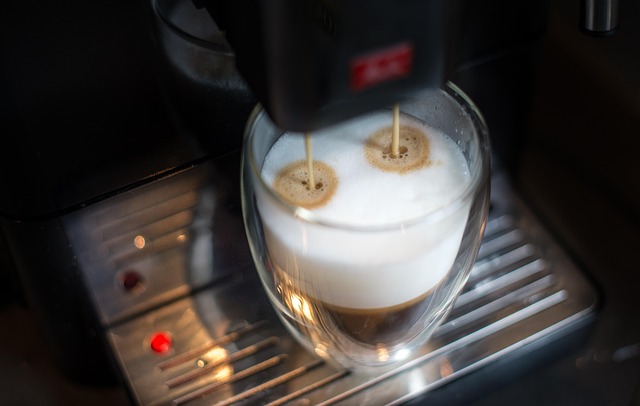
Why it works: These machines grind beans, brew espresso, and froth/dispense milk with a single button press. The milk carafe keeps milk fresh and reduces daily cleanup to rinsing the carafe. It’s the ultimate in convenience for milk-based drinks.
Scenario 2: The Aspiring Home Barista
Sarah loves coffee and wants to learn to make latte art. She enjoys the process of making coffee and wants to experiment with different beans and brewing parameters. She has a bit more time in the mornings and on weekends.
Recommended Machine Type: A high-quality semi-automatic espresso machine with a powerful steam wand. Brands like Breville (e.g., the Barista Express or Barista Pro), Rancilio Silvia, or Lelit offer excellent options. Top Breville promo codes, like those offering up to $700 off in June 2026, might make these more accessible.
Why it works: These machines provide the necessary tools for control. The integrated grinder (on some models) is a good starting point, and the strong steam wand allows for practicing milk texturing and latte art. The ability to control shot time and temperature is key for learning espresso extraction.
Scenario 3: The Budget-Conscious Enthusiast
Mark wants to get into espresso and lattes but has a limited budget, perhaps under $500. He’s willing to put in some effort to learn and understands that he might not get top-tier performance initially.
Recommended Machine Type: An entry-level semi-automatic machine, potentially without an integrated grinder, paired with a separate, decent burr grinder. Look at brands like Gaggia (classic models), De’Longhi (some entry-level espresso makers), or Flair (manual lever machines offer great value for espresso quality if you don’t mind the manual effort). The Midea 10-in-1, mentioned by Times Argus as a budget-friendly Costco exclusive, could also be considered if a fully automatic approach fits the budget constraint.
Why it works: By separating the grinder from the espresso machine, Mark can invest in a capable grinder that will improve shot quality significantly. Entry-level semi-automatics provide the core espresso brewing functionality, and learning to use a steam wand takes practice but is achievable.
Keeping Your Latte Machine in Top Shape
A latte machine is an investment, and proper maintenance is key to ensuring its longevity and consistent performance. Neglecting care can lead to poor taste, reduced functionality, and costly repairs.
Daily Cleaning Routines
After each use, wipe down the steam wand with a damp cloth to prevent milk buildup. If your machine has an automatic milk system, run its cleaning cycle or rinse the carafe and tubing thoroughly. Empty and rinse the drip tray and grounds bin.
Use Case: Essential for all machine types, especially those with milk components. This is the most critical step to prevent bacterial growth and maintain flavour.
Weekly and Monthly Tasks
Weekly, you might need to clean the brew group more thoroughly (if your machine allows access), clean portafilter baskets, and descale if you have very hard water. Monthly tasks often include deeper cleaning of the grinder burrs (if applicable) and a more thorough descaling process.
Use Case: These tasks ensure all parts are functioning optimally and prevent buildup that can affect taste and machine health.
Descaling and Water Filtration
Mineral deposits from water can clog your machine’s internal components, affecting heating and water flow. Descaling, typically done monthly or quarterly depending on water hardness and usage, removes these deposits. Using filtered water can significantly reduce the frequency of descaling needed.
Use Case: Crucial for preventing long-term damage and maintaining consistent brewing temperature and pressure.
Common Latte Machine Mistakes and How to Fix Them
Even with the best intentions, beginners (and sometimes seasoned users) can fall into common traps. Recognizing these can save you frustration and improve your coffee.
Mistake 1: Incorrect Grind Size
Too coarse a grind leads to a weak, watery espresso (under-extraction). Too fine a grind chokes the machine, resulting in a bitter, burnt taste (over-extraction) or no water flow at all.
Solution: Invest in a quality burr grinder. Start with a medium-fine setting and adjust incrementally based on how the espresso flows. Look for a steady stream of dark, syrupy liquid with crema, extracting in about 25-30 seconds.
Mistake 2: Improper Tamping
Uneven or inconsistent tamping can create channels in the coffee puck, allowing water to flow through unevenly, leading to poor extraction. Tamping too lightly won’t create enough resistance; tamping too hard can be unnecessarily difficult and doesn’t always guarantee better results.
Solution: Aim for consistent, level pressure each time. A dedicated tamper that fits your portafilter snugly is essential. Focus on a firm, even press, not brute force. Many baristas use a consistent pressure, often around 30 lbs of force, but consistency is more important than hitting a specific number.
Mistake 3: Forgetting to Purge the Steam Wand
After steaming milk, water and residual milk can be trapped inside the wand. Not purging (running steam through it briefly) before and after steaming can result in watery milk froth or even blockages.
Solution: Always briefly run the steam wand before and after frothing milk. This clears out any water and ensures you’re working with dry steam for better texture. Wipe the wand immediately after purging.
Mistake 4: Using Stale Coffee Beans
Espresso is highly sensitive to freshness. Beans lose their aromatic oils and volatile compounds over time, leading to flat, lifeless coffee regardless of the machine’s quality.
Solution: Buy whole beans roasted within the last 1-3 weeks and grind them just before brewing. Store beans in an airtight container away from light and heat. Avoid refrigerating or freezing beans, as this can introduce moisture and off-flavours.
Expert Tips for Elevated Latte Crafting
Beyond the machine itself, a few pro tips can elevate your home latte game significantly.

Tip 1: Water Quality Matters
Tap water can contain chlorine and minerals that affect taste and damage your machine. Filtered water (like from a Brita pitcher or a more advanced system) is highly recommended.
Use Case: Using good water consistently improves coffee flavour and reduces maintenance needs.
Tip 2: Warm Your Cups
Serving espresso or a latte in a cold cup shocks the beverage, causing it to cool down too quickly and affecting the crema. A warm cup helps maintain the ideal drinking temperature and preserves the delicate aromatics.
Use Case: A small but impactful step for a more enjoyable drinking experience.
Tip 3: Understand Milk Science
The goal is microfoam: milk with tiny, uniform bubbles that create a silky, glossy texture, not stiff, airy foam. Introducing air briefly at achievs this the start of steaming (stretching) and then submerging the wand to create a vortex (texturing) that integrates the air and heats the milk evenly.
Use Case: Essential for creating smooth, delicious lattes and achieving latte art.
Tip 4: Temperature Control is Key
Both espresso extraction and milk steaming have optimal temperature ranges. For espresso, water that’s too hot can scorch the grounds, while too cool results in under-extraction. For milk, overheating (beyond 65-70°C or 150-160°F) can scald it, destroying sweetness and creating a rubbery texture.
Use Case: Precise temperature control leads to a more consistent and pleasant-tasting beverage.
Sources: Latte
Frequently Asked Questions
What is the difference between a latte machine and an espresso machine?
A latte machine is essentially a type of espresso machine specifically designed to also excel at frothing and texturing milk. While all machines that make lattes brew espresso, not all espresso machines are optimized for making lattes, particularly regarding their milk steaming capabilities.
Are super-automatic latte machines worth the cost?
For those prioritizing speed and convenience, yes. They offer one-touch operation for a variety of drinks. However, they typically offer less control over brewing variables and milk texture compared to semi-automatic machines, and their upfront cost can be higher.
How often should I clean my latte machine?
Daily cleaning of the steam wand and drip tray is essential. Automatic milk systems should also have their cleaning cycles run daily. Weekly or monthly deep cleaning, including descaling, is necessary to maintain performance and hygiene.
Can I make lattes with a regular coffee maker?
No, you can’t make true lattes with a standard drip coffee maker. Lattes require espresso, which is made by forcing hot water under high pressure through finely-ground coffee. Regular coffee makers brew coffee differently and at lower pressures.
What is the average lifespan of a latte machine?
With proper maintenance, a good quality latte machine can last anywhere from 5 to 15 years. Cheaper, less robustly built machines may have a shorter lifespan, while well-maintained commercial-grade machines can last even longer.
Do I need a separate grinder for my latte machine?
If you choose a super-automatic machine with a built-in grinder, a separate one isn’t strictly necessary. However, for semi-automatic machines, or if you want maximum control and quality, a high-quality standalone burr grinder is highly recommended.
Your Home Barista Journey Starts Now
Choosing the right latte machine is a personal journey, balancing your desire for convenience, quality, and budget. Whether you’re drawn to the tactile control of a semi-automatic or the effortless magic of a super-automatic, there’s a perfect machine waiting to bring cafe-quality lattes into your home as of June 2026.
Take the time to assess your priorities, read reviews, and consider the long-term care your new appliance will need. Your perfect cup is within reach!
Source: Britannica