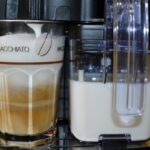
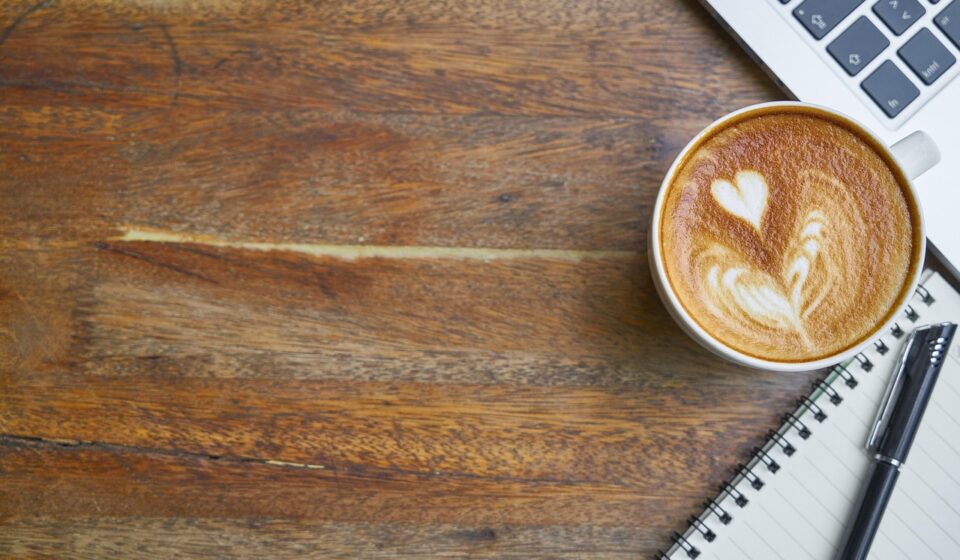
A latte machine brews a concentrated shot of espresso and combines it with steamed milk and microfoam, allowing you to customize your coffee bean selection, milk temperature, and foam density at home. Options range from manual and semi-automatic units with steam wands to fully automatic bean-to-cup models and capsule systems.
This guide explains how espresso extraction and milk aeration work, details essential features like brew pressure and integrated grinders, and compares top home options. It also provides a step-by-step tutorial for preparing a café-quality drink.
Top Latte Machines for Home Baristas
A latte machine brews a concentrated shot of espresso and combines it with steamed milk and a thin layer of microfoam to create a latte. Depending on your preference for convenience or control, options range from manual and semi-automatic machines with steam wands to fully automatic bean-to-cup models and pod systems.
Choosing the right setup for your kitchen in 2026 depends on how much time you want to spend brewing, your budget, and whether you prefer hands-on barista techniques or single-touch operation. Investing in a dedicated machine can replace expensive daily café visits while letting you customize every variable—from coffee bean selection to milk temperature and foam density.
How does a latte machine actually work?
A latte machine handles two distinct operations: extracting espresso and heating milk into microfoam. To pull an espresso shot, the machine heats water to 195–205°F (90–96°C) and pumps it through finely ground, compressed coffee at roughly 9 bars of pressure. This extraction takes 25 to 30 seconds and yields a concentrated, 1- to 2-ounce shot crowned with a golden layer of natural emulsified oils known as crema.
The milk system uses steam or an automated pump to heat and aerate milk. Steam wands inject dry steam directly into a pitcher of milk, creating a vortex that breaks down air bubbles into velvety microfoam. Higher-end home machines utilize PID electronic temperature controllers and thermoblocks or boilers to maintain stable water temperatures throughout both extraction and steaming.
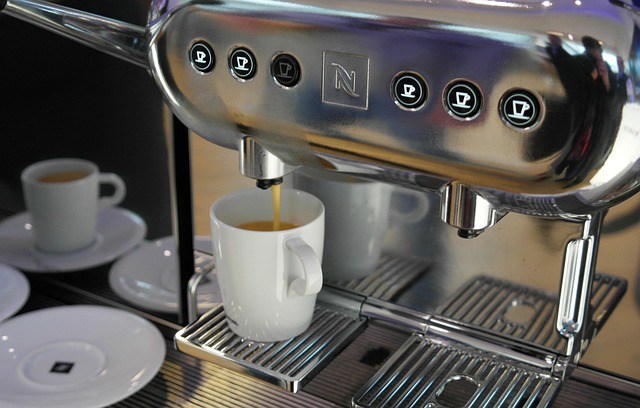
What are the main types of latte machines?
Latte machines are categorized by their level of automation, controlling how much effort is required to grind beans, tamp grounds, pull shots, and steam milk.
Semi-automatic latte machines
Semi-automatic machines require you to grind beans, dose coffee into a portafilter, tamp it level, and manually engage the steam wand. They offer ultimate control over shot duration, grind coarseness, and milk texture. While they carry a learning curve, they yield the highest potential shot quality and allow you to practice traditional latte art.
Fully automatic and bean-to-cup latte machines
Fully automatic machines handle the water volume for shot pulling automatically once you press a button. Many bean-to-cup variations include integrated burr grinders and automated milk frothers that draw milk through a tube, heat it, and dispense it directly into your cup. They save time during morning routines while maintaining fresh-ground flavor.
Super-automatic espresso and latte machines
Super-automatic machines execute every step at the push of a single button. The machine grinds whole beans, tamps internal coffee pucks, extracts espresso, steams milk, and purges its internal lines automatically. They are ideal for high-volume households that prioritize speed and variety over hands-on coffee craft.
Capsule and pod-based latte machines
Pod systems use pre-portioned coffee capsules to eliminate grinding and tamping entirely. They pair with external motorized frothers or integrated milk carafes. While initial machine costs are lower and cleanup is simple, recurring pod costs are higher than buying whole beans, and shot customization is limited.
| Machine Type | Hands-On Effort | Grind & Tamp Control | Milk Texture Control | Maintenance Level | Ideal User |
|---|---|---|---|---|---|
| Semi-Automatic | High | Full manual control | Manual steam wand | Moderate backflushing | Coffee hobbyists |
| Fully Automatic | Low | Preset machine dosing | Automated or manual wand | Regular circuit rinses | Busy daily drinkers |
| Super-Automatic | Minimal | Integrated auto-grind | Automatic carafe or wand | Frequent decalcification | Convenience seekers |
| Capsule / Pod | Minimal | Pre-measured pod | External or auto frother | Simple pod receptacle rinse | Quick single-serve users |
What features matter most when choosing a latte machine?
Evaluating several key technical specifications will ensure your choice meets your daily routine and drink expectations.
Brew pressure and heating system
Look for machines equipped with a 15-bar Italian pump that uses an internal pressure-reducing valve to deliver a consistent 9 bars at the group head. Single thermoblock units require a short pause between pulling espresso and generating steam, whereas dual-boiler or dual-thermoblock systems let you extract shots and steam milk simultaneously.
Milk frothing mechanisms
Manual steam wands with single- or multi-hole tips give complete control over microfoam texture for pouring latte art. Integrated milk carafes heat milk automatically and dispense foam into your cup, though they require meticulous cleaning after each use to prevent buildup. Auto-purging wands automatically clean steam pathways after each frothing cycle.

Integrated grinders
Freshly ground beans make a dramatic difference in extraction flavor. Conical burr grinders deliver consistent particle sizing without heating the beans during grinding. Look for grinders with fine stepped or stepless adjustments so you can adjust the flow rate of your espresso.
Water capacity and physical footprint
Measure your counter depth and upper cabinet clearance before buying. Removable water reservoirs ranging from 50 to 70 ounces cut down on refills. Top-loading tanks can be awkward under low overhead cabinets, so front-loading or side-accessible tanks are often more practical.
Cleaning routines and hygiene
Espresso machines require regular backflushing, descaling, and milk circuit rinsing. Milk components must be cleaned daily to prevent bacteria growth, which aligns with guidelines from the U.S. Food & Drug Administration (FDA) regarding food preparation surface safety. Many modern super-automatics run automated rinse cycles upon startup and shutdown. Comparisons between versatile home models, such as the Ninja AutoBarista Pro and Luxe Cafe, show how different steam wand designs and automated cleaning prompts impact daily maintenance demands.
Top latte machines for home baristas
These proven choices meet specific brewing styles, budgets, and counter space requirements.
Best overall convenience: Breville Barista Express Impress
The Breville Barista Express Impress combines traditional semi-automatic extraction with guided dosing and assisted tamping. An integrated conical burr grinder delivers exact coffee doses, while a lever-assisted tamp applies precise pressure and finishes with a 7-degree barista twist. Its commercial-style steam wand produces microfoam suitable for latte art.
This model suits anyone who wants fresh espresso without struggling through trial-and-error tamping mistakes. However, it requires a larger footprint on your kitchen counter than basic entry-level models.
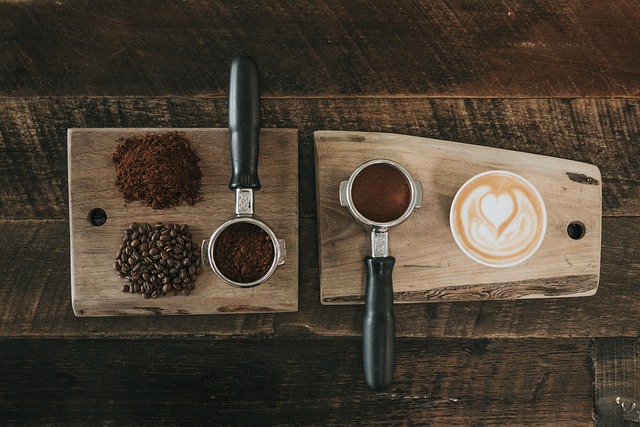
Best for beginners: De’Longhi Stilosa Manual Espresso Machine
The De’Longhi Stilosa offers an affordable entry into espresso brewing. It features a 15-bar pump, a stainless steel boiler, and a manual steam wand packed into a compact frame. It works with ground coffee or ESE pods.
Its small footprint fits tight kitchen corners, making it ideal for apartments. The lightweight plastic casing feels less durable than premium steel units, and achieving true microfoam requires practice with its pannarello wand attachment.
Best super-automatic: Gaggia Cadorna Prestige
The Gaggia Cadorna Prestige provides 14 customizable beverages via a full-color TFT display. Its integrated ceramic burr grinder extracts fresh coffee, while an auto-frothing milk carafe creates lattes at the touch of a screen. You can store custom drink settings across multiple user profiles.
It eliminates manual labor completely, making it ideal for households with multiple coffee drinkers. Its higher price point and required milk carafe maintenance are the primary trade-offs.
Best capsule-based option: Nespresso VertuoPlus Deluxe
The Nespresso VertuoPlus Deluxe utilizes centrifugal brewing technology to read pod barcodes and adjust water volume, temperature, and flow rate automatically. Paired with an standalone Aeroccino milk frother, it delivers quick, fuss-free espresso drinks with generous crema.
It is designed for speed and consistency with near-zero cleanup. The main draw-backs are reliance on single-use Vertuo capsules and limited control over extraction parameters.
How to make a café-quality latte step by step
Follow these steps to prepare a balanced latte with creamy microfoam using a manual or semi-automatic machine:
- Preheat the machine and cup: Turn on your machine at least 10–15 minutes before brewing so the portafilter and group head reach stable operating temperatures. Warm your cup with hot water.
- Grind and dose: Grind 18 to 20 grams of fresh coffee beans finely into your portafilter basket. Distribute the grounds evenly to eliminate air pockets.
- Tamp evenly: Press down firmly with a hand tamper using roughly 20–30 pounds of pressure until the coffee bed is level and compact. Wipe away stray grounds from the rim.
- Extract the espresso shot: Lock the portafilter into the group head and start the extraction immediately. Aim for 36 to 40 grams of liquid espresso output in 25 to 30 seconds.
- Steam the milk: Fill a stainless steel pitcher with cold milk up to the bottom of the spout. Purge condensed water from the steam wand, then submerge the steam tip just below the milk surface. Turn on steam to introduce air for 3 to 5 seconds until the volume increases by roughly 20–30 percent, then lower the tip slightly to create a swirling vortex until the pitcher reaches 140–150°F (60–65°C).
- Combine and pour: Purge and wipe the steam wand immediately. Tap the milk pitcher on the counter to break stray surface bubbles and swirl it to integrate foam into liquid milk. Hold your mug at a slight angle, pour milk into the center of the espresso from a height of 3–4 inches, and bring the pitcher close to the cup at the end to place a layer of white microfoam on top.
Common latte machine mistakes and how to fix them
If your lattes taste sour, bitter, or watery, small adjustments in technique can fix the issue quickly.
Using stale or dark oily coffee beans
Beans roasted months ago lose carbon dioxide gas, preventing dense crema formation. Select beans roasted within 2 to 4 weeks. Avoid overly greasy dark roasts in automatic built-in grinders, as surface oils can clog internal burrs and chute mechanisms over time.
Incorrect grind size causing fast or slow flows
If espresso pulls in under 20 seconds, it tastes sour and thin due to under-extraction. Adjust your grinder finer. If extraction takes over 35 seconds and drips slowly, it tastes bitter and burnt from over-extraction; adjust your grinder coarser.
Scalding or over-frothing milk
Steaming milk past 160°F (70°C) breaks down natural sugars and denatures milk proteins, creating a flat, burnt taste. Use a milk thermometer or stop steaming as soon as the bottom of the stainless steel pitcher becomes hot to the touch.
Neglecting water quality and descaling
Hard tap water leaves mineral deposits on internal heating elements, reducing temperature consistency and restricting water flow. Use filtered water and run descaling cycles using manufacturer-approved solution every 2 to 3 months.
How to froth plant-based milk alternatives
Plant-based milks react differently to steam pressure due to lower fat and protein structures compared to whole dairy milk. Selecting the right alternative ensures smooth latte textures without curdling.
- Oat milk: “Barista edition” oat milks perform exceptionally well due to added vegetable fats and dipotassium phosphate stabilizers. They froth smoothly at standard steaming temperatures and support detailed latte art.
- Soy milk: Soy milk offers high protein content for strong foam structure, but it can curdle if mixed with acidic espresso at high heat. Keep steaming temperatures below 140°F (60°C) and let the espresso cool slightly before pouring.
- Almond and coconut milk: Almond milk has lower protein content and splits easily. Aerate almond milk gently with minimal surface air intake to build microfoam without separation. Coconut milk creates thin, aromatic foam best suited for lighter latte profiles.
Frequently asked questions
What is the difference between an espresso machine and a latte machine?
An espresso machine brews concentrated coffee shots under pressure. A latte machine includes built-in steam wands, automatic frothing tubes, or carafes specifically designed to heat and texture milk to pair with espresso.
Do I need a separate grinder for my latte machine?
If your machine lacks a built-in burr grinder, buying a separate espresso-focused burr grinder is essential. Blade grinders create inconsistent particle sizes that cause uneven extraction and thin espresso shots.
How often should I clean my latte machine?
Wipe and purge the steam wand immediately after every single use. Clean portafilters and rinse drip trays daily, backflush semi-automatic group heads weekly, and perform a full descaling cycle every 2 to 3 months.
Can I make hot chocolate in a latte machine?
Yes. You can heat milk using the steam wand directly over cocoa powder or chocolate syrup in a pitcher, or mix steamed milk into a base of melted chocolate sauce in your mug.
Are expensive latte machines worth the investment?
Higher-end machines use dual boilers, PID temperature stabilization, and durable brass or steel group heads that maintain thermal stability shot after shot. Over time, calculating your long-term savings compared to daily café drinks makes quality machines cost-effective for daily coffee drinkers.
What is the best milk for frothing in a latte machine?
Cold whole dairy milk produces the richest, longest-lasting microfoam because of its balanced fat-to-protein ratio. For non-dairy options, barista-formulated oat milk yields the closest texture and pourability to whole milk.