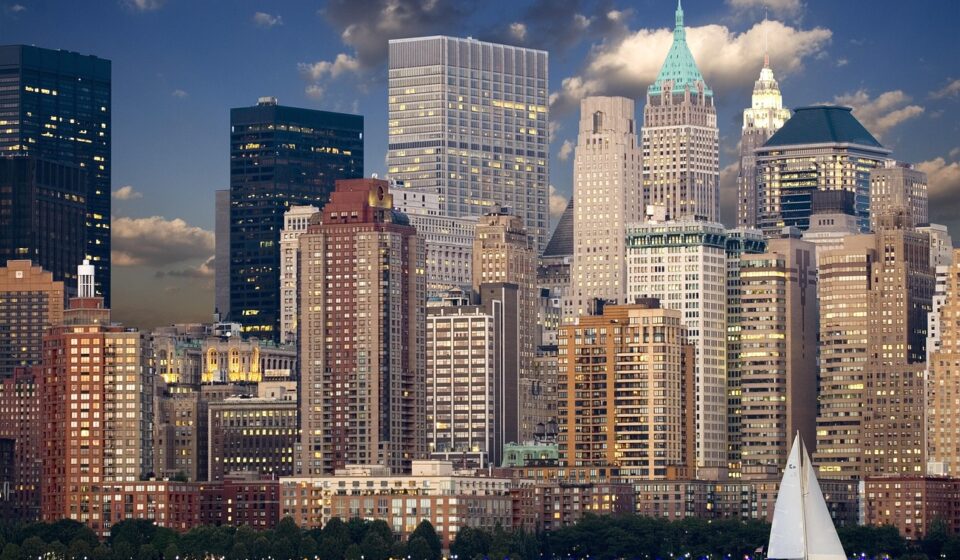
New York City prayer times shift daily based on the sun’s elevation and vary by up to two minutes between eastern Queens and Staten Island. Because local Islamic prayers rely on exact solar positions at latitude 40.7128° N, daylight hours fluctuate substantially throughout the year, with summer sunsets stretching past 8:30 PM and winter sunsets occurring before 4:30 PM.
This guide explains how specific solar angles and calculation standards like ISNA determine daily schedules for Fajr, Dhuhr, Asr, Maghrib, and Isha across the five boroughs. It covers the effects of daylight saving time, juristic variations such as the Hanafi Asr method, and practical timing differences when commuting through Queens, Brooklyn, Manhattan, the Bronx, and Staten Island.
Prayer Times NYC: Calculation Methods, Borough Shifts, and Schedules
New York City prayer times shift daily based on the sun’s elevation and change by up to two minutes between eastern Queens and Staten Island. To observe Fajr, Dhuhr, Asr, Maghrib, and Isha accurately across the five boroughs, you must align your daily schedule with local geographic coordinates and your preferred Islamic calculation method.
Managing the five daily Islamic prayers (Salah) in New York City requires understanding how astronomical calculations apply to the region’s specific geography. Located at approximately latitude 40.7128° N and longitude 74.0060° W, the city experiences substantial seasonal variation in daylight hours. Summer days bring late sunsets after 8:30 PM, while winter days compress prayer windows into short afternoon intervals with sunsets before 4:30 PM.
To stay punctual, you need to know how calculation standards—such as those established by the Islamic Society of North America (ISNA)—determine solar angles for twilight, how daylight saving time shifts your clock twice a year, and where you can pray while commuting across Manhattan, Brooklyn, Queens, the Bronx, or Staten Island.
How are daily NYC prayer times calculated?
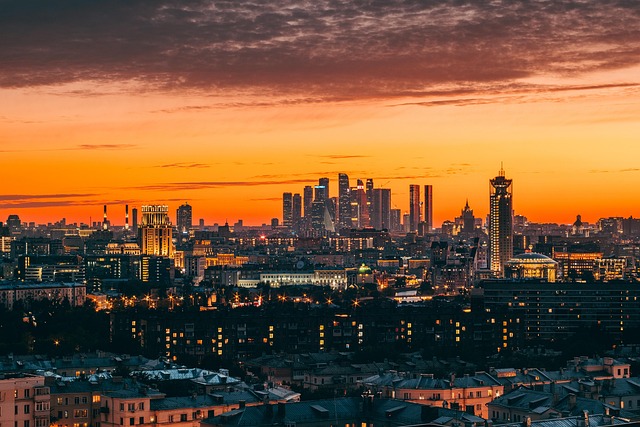
Islamic prayer times rely entirely on the position of the sun relative to the horizon at a given location. Rather than following fixed clock times, each of the five daily prayers corresponds to a distinct solar milestone:
- Fajr: Begins at true dawn (subh sadiq), when daylight first appears horizontally along the eastern horizon.
- Dhuhr: Begins immediately after the sun passes its zenith (solar noon) and starts to decline.
- Asr: Begins when the shadow of an object equals its length plus its noon shadow (Standard method) or twice its length plus its noon shadow (Hanafi method).
- Maghrib: Begins the moment the sun completely drops below the horizon at sunset.
- Isha: Begins when twilight disappears completely from the sky.
Because New York City sits at 40.7° North latitude, solar angles change rapidly throughout the year. During the summer solstice in June, daylight lasts over 15 hours, pushing Fajr early into the dawn and pushing Isha past 10:00 PM. During the winter solstice in December, daylight shrinks to under 9.5 hours, compressing Dhuhr, Asr, and Maghrib into a brief five-hour window.
To compute precise timings for these solar events, institutions use mathematical formulas based on solar declination and local latitude and longitude. The primary variance among prayer schedules stems from how organizations define the solar depression angle for Fajr and Isha.
Comparing calculation methods used in NYC mosques
Mosques and prayer apps across New York City do not all use the exact same formula. Different Islamic organizations and legal traditions utilize varying astronomical angles to define twilight. Selecting the correct calculation method in your settings is essential for obtaining accurate times that match your local congregation.
The table below highlights the major calculation methods used by mosques and digital prayer schedules across New York City:
| Calculation Method | Fajr Angle | Isha Angle | NYC Usage & Prevalence | Impact on Schedule |
|---|---|---|---|---|
| Islamic Society of North America (ISNA) | 15.0° | 15.0° | Most common standard across NYC mosques and North American apps | Provides balanced Fajr and Isha start times suited to North American latitudes. |
| Muslim World League (MWL) | 18.0° | 17.0° | Used by select European visitors and international masjids | Fajr begins roughly 12 to 15 minutes earlier than ISNA; Isha begins slightly later. |
| University of Islamic Sciences, Karachi | 18.0° | 18.0° | Adopted by South Asian and Hanafi-oriented mosques in NYC | Fajr starts earlier and Isha starts later than ISNA parameters. |
| Umm Al-Qura University (Makkah) | 18.5° | 90 min post-Maghrib | Used by Saudi-aligned institutions; rare for general NYC schedules | Sets Isha to a fixed 90-minute offset after sunset regardless of evening twilight length. |
In addition to twilight angles, you must account for the juristic method used to calculate Asr prayer times:
- Standard Method (Shafi’i, Maliki, Hanbali): Asr begins when the shadow of an object reaches a length equal to the object itself plus its shadow at solar noon. This is the default setting for most North American prayer tools.
- Hanafi Method: Asr begins later, when the shadow of an object reaches twice its length plus its shadow at solar noon. In NYC, this difference usually shifts the Asr start time back by 45 to 60 minutes. Many masjids in Queens and Brooklyn with large South Asian congregations observe the Hanafi Asr time for communal prayers.
The five daily prayers in New York City
Understanding the start and end boundaries for each prayer ensures you stay within permissible religious windows while fulfilling your daily schedule in the city.
Fajr (Dawn Prayer)
Fajr begins at true dawn and ends precisely at sunrise. In New York City, Fajr timing shifts dramatically across seasons:
- Winter (December): Starts around 5:30 AM to 5:45 AM; sunrise occurs around 7:15 AM.
- Summer (June): Starts around 3:45 AM to 4:00 AM; sunrise occurs around 5:25 AM.
You must complete Fajr before the top edge of the sun appears over the horizon.
Dhuhr (Noon Prayer) and Friday Jumu’ah
Dhuhr begins when the sun passes its highest point in the sky. It continues until the start of Asr prayer.
- Standard Time (November – March): Dhuhr starts between 11:45 AM and 12:15 PM.
- Daylight Saving Time (March – November): Dhuhr shifts to between 12:45 PM and 1:15 PM.
On Fridays, Dhuhr is replaced by the congregational Jumu’ah prayer. Mosques in Manhattan, Brooklyn, and Queens usually conduct Jumu’ah sermons between 1:00 PM and 1:30 PM during Daylight Saving Time, and between 12:15 PM and 12:45 PM during Standard Time. Busy masjids often host two or three sequential Jumu’ah shifts to accommodate commuters and workers.
Asr (Afternoon Prayer)
Asr begins in the afternoon and ends when the sun begins to set (Maghrib).
- Standard Juristic Start: Ranges from around 2:15 PM in late autumn to around 5:00 PM in peak summer.
- Hanafi Juristic Start: Ranges from around 3:00 PM in late autumn to around 6:00 PM in peak summer.
While Asr remains valid until right before sunset, performing it before the sky turns orange or yellow is strongly encouraged.
Maghrib (Sunset Prayer)
Maghrib starts immediately when the entire disk of the sun sinks below the horizon. It has the shortest window of any daily prayer, lasting until the end of evening twilight (when Isha starts).
- Winter (December): Sunset occurs as early as 4:28 PM.
- Summer (June): Sunset occurs as late as 8:31 PM.
Because Maghrib’s time window is brief—often only 75 to 90 minutes before Isha—it is best to perform it immediately after sunset.
Isha (Night Prayer)
Isha begins when twilight vanishes from the night sky and lasts until the start of Fajr prayer the following morning.
- Winter (December): Begins between 5:50 PM and 6:10 PM.
- Summer (June): Begins between 10:00 PM and 10:20 PM.
Although Isha remains valid until dawn, Islamic scholarly consensus recommends completing it before Islamic midnight (the midpoint between sunset and true dawn, usually around 11:30 PM in winter or 1:00 AM in summer).
Differences in prayer times across NYC boroughs
While citywide schedules use Manhattan coordinates as a baseline, New York City spans over 300 square miles. Because the sun travels from east to west, sunrise and sunset happen earlier in eastern Queens than in western Staten Island.
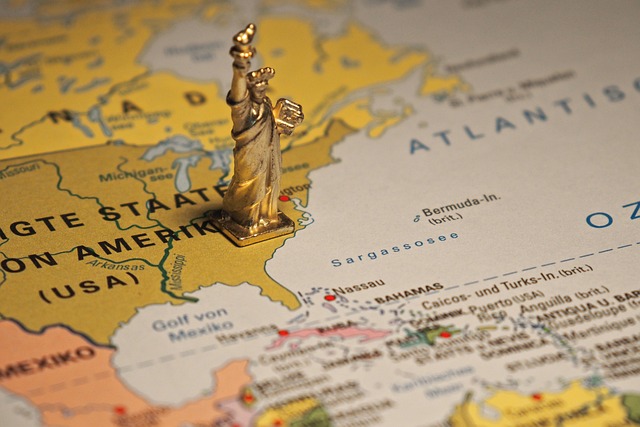
Here is how geographic spread alters timings across the five boroughs:
Queens
Eastern Queens (such as Jamaica, Floral Park, and Flushing) is the easternmost part of New York City. Sunrise, solar noon, and sunset occur roughly 1 to 2 minutes earlier here than in Manhattan, and up to 2 to 3 minutes earlier than in western Staten Island. Major centers include the Islamic Circle of North America (ICNA) Headquarters in Jamaica and Dar al-Taqwa in Flushing.
Brooklyn
Brooklyn’s footprint stretches from Greenpoint down to Coney Island and Bay Ridge. Longitude in central Brooklyn is very close to Manhattan, so prayer times match city defaults within a few seconds. Key hubs include the Islamic Center of Bay Ridge and Makki Masjid in Kensington.
Manhattan
Manhattan serves as the central reference point for standard city prayer tables. Longitude remains consistent from Midtown up to Washington Heights. Prominent facilities include the Islamic Cultural Center of New York at 96th Street and 3rd Avenue and Masjid Malcolm Shabazz in Harlem.
The Bronx
Located directly north of Manhattan, the Bronx shares virtually identical longitude lines with Manhattan and Brooklyn. Prayer times match Midtown Manhattan within less than 30 seconds across the year. Notable institutions include the Islamic Cultural Center of North America and Parkchester Islamic Center.
Staten Island
As the westernmost borough, Staten Island reaches farthest west in longitude. Sunset and Maghrib occur roughly 1 to 2 minutes later on Staten Island than in Midtown Manhattan, and up to 3 minutes later than in eastern Queens. If you live in or travel through Staten Island, ensure your prayer app relies on GPS or Staten Island coordinates rather than a Queens or Manhattan preset.
How daylight saving time alters prayer schedules in NYC
New York State observes Daylight Saving Time (DST). Clocks spring forward one hour on the second Sunday in March and fall back one hour on the first Sunday in November. For more on managing schedule shifts across time zones, see Kerbal Space Program on ZX Spectrum? The Dream Remains!.
DST directly shifts civil clock readings while solar mechanics remain unchanged:
- March Shift (Clocks Forward 1 Hour): All clock times jump ahead. Solar noon moves overnight from approximately 12:05 PM to 1:05 PM. Dhuhr shifts from 12:10 PM to 1:10 PM. Maghrib jumps from 5:55 PM to 6:55 PM.
- November Shift (Clocks Back 1 Hour): All clock times drop back. Solar noon shifts overnight from approximately 1:05 PM to 12:05 PM. Maghrib drops from 5:45 PM to 4:45 PM.
When utilizing printed monthly timetables from local masjids, verify whether the sheet accounts for the DST transition date. Modern mobile apps handle this transition automatically based on your smartphone’s system time zone (Eastern Time).
Observing Ramadan and seasonal shifts in New York
The Islamic calendar relies on a 12-month lunar cycle, causing the month of Ramadan to move backward through the Gregorian calendar by roughly 10 to 11 days every solar year.
Observing Ramadan in New York City involves adjusting your schedule to seasonal daylight shifts:
- Pre-Dawn Fasting Start (Suhoor / Imsak): Fasting begins at true dawn (Fajr start). Many local timetables list an “Imsak” time—a cautionary cutoff set 10 minutes prior to Fajr—to ensure all food and drink consumption stops cleanly before dawn.
- Fasting Break (Iftar / Maghrib): Fasting ends immediately at sunset (Maghrib call to prayer). Mosques across all five boroughs host public communal Iftars open to community members and travelers.
- Nightly Prayers (Taraweeh): Voluntary Taraweeh prayers are held at mosques directly following the Isha obligatory prayer. When Ramadan occurs during spring or summer, Isha and Taraweeh run late into the night (often from 10:00 PM past midnight). When Ramadan falls in autumn or winter, Taraweeh finishes comfortably before 8:00 PM.
Seasonal fasting durations in NYC range from approximately 10 hours in mid-December to over 16.5 hours in mid-June. Plan your nutrition, hydration, and sleep routines around these seasonal parameters.
Digital tools, apps, and setting configurations
Mobile applications simplify tracking daily prayer times while moving through New York City. However, an app is only as accurate as its configuration settings. Relying on default settings without verifying parameters can lead to incorrect notification times for time calculations.
When configuring your digital prayer tools for NYC, apply these settings:
- Location Mode: Enable automatic GPS location or manually enter “New York, NY” with your specific borough zip code.
- Calculation Method: Select ISNA (Islamic Society of North America) for standard North American timing, or select Karachi if you follow Hanafi timings from South Asian masjids.
- Juristic Method (Asr): Choose Standard (Shafi’i/Maliki/Hanbali) unless your personal legal school or local congregation follows the Hanafi method.
- High Latitude Rule: Select Angle-Based or Auto. (While high-latitude adjustments are required above 48° North latitude, New York sits at 40.7° N, meaning standard solar angle rules function normally year-round).
- Daylight Saving Time Adjustment: Set to Auto to match Eastern Time zone clock adjustments.
Popular applications for iOS and Android include:
- Muslim Pro: Includes location-aware prayer times, adhan alerts, Qibla compass, and local directories.
- Athan by IslamicFinder: Offers detailed mosque lookup features, monthly schedules, and customizable adhan sounds.
- Pray Watch: A lightweight app designed for clean iOS and Apple Watch integration without advertisements.
- Pillars: A modern app focused on privacy, offering ad-free prayer tracking without data tracking.
Finding prayer spaces and managing workplace prayers in NYC
Finding a quiet, clean space to perform Salah during a work shift or commute across New York City requires advance planning. NYC provides several public and private accommodation options.
Airport Reflection Rooms
If you are traveling through NYC airports, designated prayer spaces are available:
- John F. Kennedy International Airport (JFK): Terminal 4 features an interfaith chapel and dedicated Muslim prayer room located airside near Gate 32. Terminal 8 offers multi-faith reflection areas.
- LaGuardia Airport (LGA): Terminal B houses a quiet multi-faith reflection room accessible to passengers in the main hall.
University Prayer Facilities
Major educational campuses in New York City maintain dedicated Islamic prayer rooms and reflection centers:
- New York University (NYU): The Islamic Center at NYU (located at 238 Thompson St) provides clean prayer halls, ablution (wudu) facilities, and daily congregational prayers.
- Columbia University: The Muslim Students Association maintains prayer room access in Earl Hall on the Morningside Heights campus.
- CUNY Campuses: Hunter College, Brooklyn College, Queens College, and CCNY offer student reflection rooms equipped with prayer rugs and wudu areas.
Workplace Accommodations Under NYC Law
If you work in New York City, local regulations protect your right to observe daily prayer schedules. Under Title 8 of the New York City Administrative Code (the NYC Human Rights Law), employers are required to grant reasonable religious accommodations to employees, provided the request does not cause undue hardship to business operations.
This law allows you to request:
- Short 10-to-15-minute breaks during the work shift to perform prayer (such as Asr or Dhuhr).
- Flexible scheduling or adjusted lunch hours on Fridays to attend Jumu’ah congregational prayer at a nearby mosque.
- A clean, quiet, private space on company premises to perform prayer safely.
To request accommodations, communicate proactively with your human resources department or supervisor, explaining the short duration and timing of your daily prayer needs.
Common prayer time mistakes and how to fix them
Even experienced residents occasionally run into timing errors when calculating prayer schedules in New York City. Avoid these common pitfalls:
- Mixing standard and Hanafi Asr times: If you use an app set to Standard Asr while attending a mosque that follows Hanafi Asr timing, you may arrive at the masjid 45 minutes before the congregational prayer begins. Always align your personal app settings with your local mosque’s juristic tradition.
- Ignoring borough longitude drift during commutes: If you live in eastern Queens and commute to work in Staten Island, your sunset time shifts back by nearly 3 minutes. Relying on a printed Queens timetable while on Staten Island could lead you to break your fast or pray Maghrib before local sunset occurs.
- Relying on unverified online search engine cards: Quick web search result snippets often display generic citywide averages calculated with unknown parameters. Always cross-reference web snippets with established local institutions or reputable apps configured to ISNA standard angles.
- Forgetting to update physical monthly schedules after DST transitions: Printed timetables pick up errors if used across the Daylight Saving Time boundary. Replace old schedules when clocks change in March and November, or print updated monthly sheets directly from your local Islamic center.
For cultural context on prayer themes, see Thoughts & Prayers (2025 film).
Navigating prayer times in a metropolis like New York City combines traditional scholarship with practical modern tools. By understanding solar mechanics, configuring your digital apps, and staying connected with neighborhood masjids, you can maintain your daily religious commitments anywhere in the city.
Source: Britannica
Frequently asked questions
What is the most widely accepted prayer calculation method in NYC?
The Islamic Society of North America (ISNA) method is the most widely accepted calculation standard across New York City mosques and prayer apps. It uses 15-degree solar depression angles for both Fajr and Isha, tailored for North American geographical latitudes.
Do prayer times differ between Manhattan, Queens, and Brooklyn?
Yes, minor differences of 1 to 3 minutes occur across boroughs due to longitude variations. Sunset and Maghrib occur roughly 2 to 3 minutes earlier in eastern Queens than in western Staten Island, while Manhattan, Brooklyn, and the Bronx fall in between.
How do I find Jumu’ah prayer times near my workplace in NYC?
Most major mosques in business districts like Midtown, Downtown Manhattan, and Downtown Brooklyn hold Jumu’ah congregational prayers between 1:00 PM and 1:30 PM during Daylight Saving Time. Many masjids offer two or three sequential shifts to accommodate worker lunch breaks.
Are employers in NYC required to allow time for daily prayers?
Yes, under the NYC Human Rights Law, employers must provide reasonable accommodations for employees’ religious practices, including short prayer breaks or flexible scheduling for Friday Jumu’ah, unless it causes undue hardship to the business.