

Maghrib time in New York City begins at exact astronomical sunset, ranging from approximately 4:15 PM EST in mid-December to 8:30 PM EDT in late June. Because the prayer window opens immediately when the sun fully dips below the horizon, using precise geographic coordinates centered near City Hall ensures accurate daily timing across all five boroughs.
The article details how solar position and elevation affect prayer schedules, compares calculation standards like ISNA and the Muslim World League, explains seasonal shifts and Daylight Saving Time, outlines the duration of the evening prayer window, and lists prayer locations throughout New York City.
Maghrib Time in NYC: Daily Schedules, Calculation Methods, and Prayer Guide
Maghrib time in New York City begins at exact astronomical sunset, ranging from approximately 4:15 PM EST in mid-December to 8:30 PM EDT in late June. Because the prayer window opens immediately when the sun fully dips below the horizon, using precise geographic coordinates and reliable daily calculations ensures accurate timing across all five boroughs.
How astronomical sunset determines Maghrib time in New York
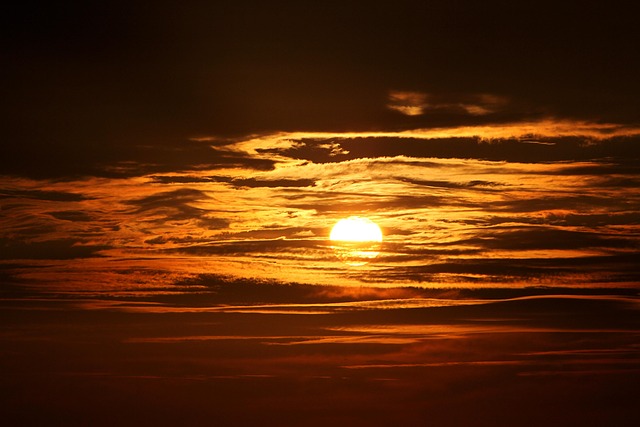
Maghrib is the fourth of the five daily obligatory Islamic prayers (Salat). Its start time is fixed strictly by the solar cycle, occurring the instant the upper edge of the solar disc completely drops below the astronomical horizon. This specific moment marks true sunset, triggering both the commencement of the Maghrib prayer window and the exact time to break the fast during Ramadan or voluntary fasting days.
In New York City, astronomical calculations rely on geographical coordinates centered near City Hall at approximately 40.7128° N latitude and 74.0060° W longitude. Solar calculations factor in the Earth’s 23.5-degree axial tilt and orbital position throughout the year. Atmospheric refraction causes light rays to bend through the atmosphere, making the sun appear visually higher in the sky than its physical geometric location. Calculation algorithms account for standard atmospheric refraction by setting the solar zenith angle at 90 degrees and 50 minutes (90.833°) for true sunset.
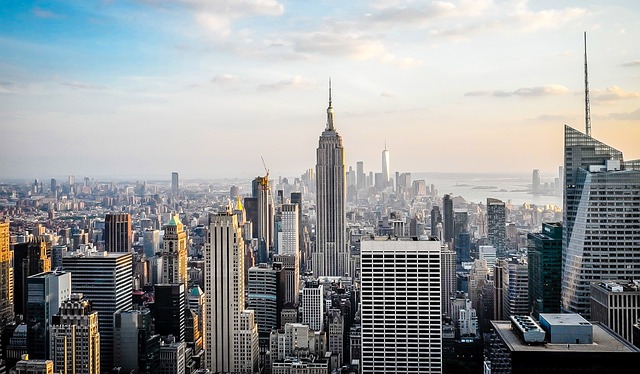
Elevation creates a subtle physical variation across New York City. A person standing at ground level at Battery Park observes true sunset slightly earlier than someone working on the 80th floor of One World Trade Center or a high-rise tower in Hudson Yards. Higher elevations extend the line of sight over the horizon, keeping the sun visible for two to three additional minutes. For high-rise office workers and apartment residents, Islamic legal consensus generally advises waiting until the sun is no longer visible from your specific elevated location, or adhering to verified ground-level timetables if surrounding urban structures obscure direct solar observation.
Comparing calculation methods for New York City prayer schedules
While all primary Islamic calculation bodies define the start of Maghrib as the exact moment of sunset, minor discrepancies arise in published timetables due to differing mathematical models for atmospheric refraction, elevation adjustments, or round-off conventions. Understanding which method your local mosque or smartphone application uses helps maintain consistency in your daily prayer schedule.
The primary calculation standard across North America is established by the Islamic Society of North America (ISNA). ISNA uses standard astronomical sunset formulas matching official United States Naval Observatory data. Another widely referenced system in global mobile apps is the Muslim World League (MWL) calculation method. The Institute of Prayer Times (IPT) provides mathematical models that standardize atmospheric parameters across major metropolitan centers. In New York, regional bodies and community centers often align with ISNA parameters while making minor single-minute adjustments based on immediate local observation.
To examine how these frameworks operate when calculating prayer schedules across New York City, the following table compares the primary calculation methods, their parameters, and their adoption across local institutions.
| Calculation Method | Sunset & Maghrib Parameter | Isha Angle Parameter | Primary Usage in NYC |
|---|---|---|---|
| Islamic Society of North America (ISNA) | Astronomical Sunset (0° below horizon) | 15.0° twilight angle | Standard method used by major NYC mosques, Islamic centers, and domestic app feeds. |
| Muslim World League (MWL) | Astronomical Sunset (0° below horizon) | 17.0° twilight angle | Common default setting in global mobile applications used by NYC commuters. |
| Moonsighting Committee Worldwide | Astronomical Sunset with sight adjustments | 18.0° or direct observation | Favored by congregations prioritizing direct horizon visibility verification. |
| Egyptian General Authority of Survey | Astronomical Sunset (0° below horizon) | 17.5° twilight angle | Used primarily by North African and Middle Eastern diaspora communities in NYC. |
When selecting a schedule or configuring your prayer software, maintaining a single calculation method avoids practical confusion. Switching back and forth between different calculation sources on the same day can lead to praying before true sunset occurs or misjudging the remaining duration of the evening prayer window.
How seasonal shifts and Daylight Saving Time alter daily timings
New York City’s northern latitude of 40.71° causes dramatic variations in total daylight hours throughout the year. Consequently, Maghrib time in NYC undergoes a continuous shift across the calendar, requiring steady attention from practicing Muslims.
During the winter solstice in mid-December, total daylight in New York City drops to under nine hours. Sunset reaches its earliest annual occurrence, taking place around 4:15 PM EST. During this period, the Maghrib prayer window arrives in the late afternoon, often overlapping directly with work hours or early transit journeys.
Conversely, during the summer solstice in late June, daylight expands to more than fifteen hours. Sunset reaches its latest point of the year, occurring near 8:30 PM EDT. Late summer Maghrib prayer times shift the entire evening routine, moving the subsequent Isha prayer near or past 10:00 PM EDT.
Spring and autumn produce rapid day-to-day shifts in sunset timing. In October, sunset shifts earlier by one to two minutes every calendar day. The biannual clock shift for Daylight Saving Time (DST) alters published schedules on civilian clocks. When clocks spring forward in March, the displayed clock time for Maghrib jumps immediately from approximately 5:50 PM to 6:51 PM. When clocks drop back in November, displayed clock times fall by an hour overnight. While solar position relative to solar noon remains unchanged, staying alert during DST transitions ensures you do not mistake wall clock shifts for solar timing changes when checking your daily clock time.
How long the Maghrib prayer window lasts in New York
Unlike afternoon prayer windows for Dhuhr or Asr, which extend over multiple hours, the Maghrib prayer window is distinctly compact. Determining how long you have to perform Maghrib before its time expires requires examining Islamic legal guidelines regarding evening twilight.
In classical Islamic jurisprudence, the Maghrib window opens at sunset and ends when the red twilight glow (*shafaq ahmar*) disappears completely from the western sky. Once the reddish illumination fades into full evening darkness, the time window for Isha prayer begins.
The duration of this twilight window changes with the seasons in New York City:
- Winter Months: During December and January, the sun descends at a steep angle relative to the horizon, causing twilight to clear rapidly. The Maghrib window in winter can last as short as 45 to 50 minutes.
- Summer Months: During June and July, the sun sets at a shallower angle, prolonging the twilight phase. The summer Maghrib window can extend up to 75 to 85 minutes.
- Equinox Periods: During spring and autumn, the twilight window holds a moderate length of approximately 60 to 65 minutes.
Islamic legal traditions place great emphasis on praying Maghrib promptly at its onset (*Awwal al-Waqt*). Delaying Maghrib without a genuine necessity is considered undesirable (*Makruh*). Valid reasons for delay include emergency duties, medical work, or severe transit disruptions that prevent safe prayer performance immediately after sunset.
When extreme commuting delays or long-distance travel occur, legal frameworks accommodate prayer combining (*Jam’*). Under specific qualifying travel conditions or severe hazardous weather, commuters may combine Maghrib with Isha during the Isha window (*Jam’ Ta’khir*) or bring Isha forward into the Maghrib window (*Jam’ Taqdim*).
Where to pray Maghrib across the five boroughs
Finding a clean and suitable place for Maghrib prayer in New York City is made easier by a network of mosques, multi-faith chapels, campus centers, and corporate reflection rooms throughout all five boroughs. Checking accurate local daily schedule tools ensures you arrive before congregational prayer (*Iqamah*) begins. For related regional scheduling insights, see Aspnet Compiler Exe: Understanding Its Role and Cost.
Mosques and Islamic Centers by Borough
Each borough contains major mosques that hold daily congregational prayers:
- Manhattan: The Islamic Cultural Center of New York (ICCNY) on 3rd Avenue at East 96th Street serves as Manhattan’s flagship purpose-built mosque. In Midtown, Masjid Al-Farooq on West 27th Street and Masjid Manhattan near City Hall offer convenient access for office workers.
- Queens: Queens features a large concentration of facilities, including the Muslim Center of Greater New York in Flushing, Masjid Hazrati Abu Bakr Siddique on Flushing’s main corridors, and the Astoria Islamic Center on 31st Street.
- Brooklyn: The Brooklyn Islamic Center in Kensington and Masjid Taqwa in Bedford-Stuyvesant offer dedicated prayer spaces equipped with ablution facilities.
- The Bronx: The Bronx Muslim Center and the Islamic Cultural Center of North America in Parkchester accommodate vibrant local West African and South Asian congregations.
- Staten Island: The Islamic Council of Staten Island on Miraguano Street provides regular congregational prayers for Staten Island residents.
Public and Institutional Quiet Spaces
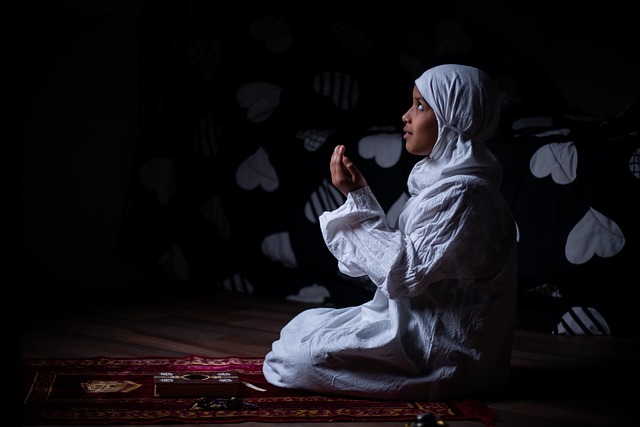
When reaching a mosque is not feasible within the short Maghrib window, several institutional sites provide designated quiet areas:
- Airports: John F. Kennedy International Airport (JFK) operates an interfaith chapel in Terminal 4. LaGuardia Airport (LGA) and Newark Liberty International Airport (EWR) offer multi-faith quiet rooms.
- University Campuses: The NYU Islamic Center inside the Kimmel Center for University Life at Washington Square South welcomes students and visitors. Columbia University provides quiet space inside Earl Hall in Morningside Heights.
- Hospitals and Business Districts: Major hospital networks, including New York-Presbyterian, Mount Sinai, and NYU Langone, maintain 24/7 multi-faith meditation rooms with nearby washrooms. Many Midtown and Financial District corporate towers maintain quiet room facilities for employees.
Selecting reliable tracking resources for daily time NYC is essential for planning daily schedules. Relying on exact local borough data accounts for minute spatial differences between eastern Long Island border areas and western Staten Island.
How to manage Maghrib prayer during subway commutes and office hours
The high pace of New York City transit, along with unexpected subway delays, frequently coincides with the brief Maghrib window. In winter, when sunset occurs between 4:15 PM and 5:00 PM during peak evening commutes, preparing ahead keeps your prayer routine intact.

Follow this practical checklist when managing Maghrib during travel or working hours in New York City:
- Check sunset times before departure: Review your prayer application during mid-afternoon so you know the exact minute sunset will occur while you are on your commute path.
- Perform wudu prior to travel: Public transit restrooms in NYC can be difficult to find or lack washing facilities. Completing ritual ablution at your home, office, or campus before travelling ensures you remain prepared for prayer throughout your transit.
- Keep a compact travel prayer mat: A pocket-sized, water-resistant prayer mat or clean cloth fits easily in a bag, allowing you to pray comfortably on clean surfaces in quiet public locations.
- Identify low-traffic spots near transit hubs: If you are near major hubs like Penn Station, Grand Central Terminal, or Fulton Center at sunset, locate quiet building lobbies, public park plazas, or low-foot-traffic alcoves away from commuter pathways.
- Coordinate brief workplace accommodations: Maghrib prayer requires only 5 to 10 minutes. Requesting a short break during late afternoon shifts is standard practice under religion-based workplace accommodation guidelines.
When performing prayer in public settings, choose a clean area that does not obstruct walkways, platform doors, or emergency exits. Point toward the Qibla—which in New York City points northeast at approximately 58 degrees from true north—and perform your prayer calmly.
Maghrib and breaking fast during Ramadan in New York City
During the month of Ramadan, as well as during voluntary fasts on Mondays and Thursdays throughout the year, Maghrib time marks the precise moment to end the fast (Iftar).
Following Sunnah practices, fast-breaking takes place immediately upon sunset. Delaying Iftar past sunset is discouraged. The traditional practice involves taking a date (*tamr*) and water, followed by offering the Maghrib prayer before sitting down for a complete meal.
In New York City, community Iftars bring people together across mosques and public parks during Ramadan. Mosques in every borough serve dates, water, and warm food to visitors every evening at sunset. Public fast-breaking events held in city parks—such as Astoria Park in Queens and Washington Square Park in Manhattan—gather community members and neighbors to break fast together.
Frequently asked questions
When exactly does Maghrib prayer start in NYC?
Maghrib prayer in NYC begins the exact moment the sun completely sets below the astronomical horizon. This time changes daily, ranging from around 4:15 PM EST in mid-December to roughly 8:30 PM EDT in late June.
How long do I have to pray Maghrib before its time expires in NYC?
The Maghrib prayer window lasts from sunset until the red twilight glow fades from the western sky. In New York City, this window spans approximately 45 to 50 minutes in winter and up to 75 to 85 minutes in summer.
What is the Qibla direction for praying Maghrib in New York City?
In New York City, the Qibla direction faces northeast at approximately 58 degrees clockwise from true north. Standard prayer applications and compass tools calculate this angle based on local GPS coordinates.
What should I do if transit delays cause me to miss the Maghrib window?
If unavoidable subway or traffic delays cause you to miss Maghrib, you should perform the missed prayer as a make-up prayer (*Qada*) as soon as you reach a safe, clean spot, either immediately before or after performing your Isha prayer.