
A Ridge Wallet review shows that this minimalist front-pocket wallet is worth buying if you carry 1 to 12 cards, want to eliminate pocket bulge, and value long-term durability. However, it does not suit individuals who carry heavy cash, coins, or paper business cards, and retrieving middle cards requires a brief adjustment period.
This review explains how the wallet functions, how to extract cards efficiently, and how its RFID-blocking plates protect your data. It breaks down material choices—including aluminum, Grade 5 titanium, carbon fiber, stainless steel, and leather hybrids—along with frame hardware, money clip versus cash strap attachments, competitor comparisons, and who should buy or skip it.
Ridge Wallet Review: Is This Minimalist Wallet Worth It?
A Ridge Wallet review shows that this minimalist front-pocket wallet is worth buying if you carry 1 to 12 cards, want to eliminate pocket bulge, and value long-term durability. However, it does not suit people who carry heavy cash, coins, or paper business cards, and accessing middle cards requires a brief adjustment period.
The rise of everyday carry culture has changed how people handle daily essentials. Traditional leather bi-fold and tri-fold wallets tend to accumulate old receipts, expired gift cards, and punch cards over time. This creates a bulky pocket shape that causes discomfort when sitting down and misaligns the spine when kept in a back pocket. The Ridge Wallet addresses this problem by enforcing strict physical limits through a rigid, modular frame (see Why Is My AC Not Blowing Cold Air? Causes & Fixes for everyday carry organization).
How the Ridge Wallet works and handles daily cards
The core structure of the Ridge Wallet consists of two rigid outer plates held together by a heavy-duty elastic main strap. Measuring approximately 86 mm by 54 mm with an unloaded thickness of roughly 6 mm, the wallet matches the footprint of a standard credit card. This compact size allows it to sit flat inside a front pants pocket, jacket pocket, or shirt pocket without creating an unsightly bulge.
The inner surfaces of the wallet feature integrated aluminum plates that provide 13.56 MHz RFID blocking. This shielding prevents unauthorized radio-frequency scanners from intercepting contactless signal data from credit cards, debit cards, and passports. The rigid plates also protect credit card chips and magnetic strips from bending or cracking under pressure.
Cards are held securely between the two plates using elastic tension. The wallet expands smoothly to accommodate anywhere from 1 to 12 cards without losing elasticity. Even when holding a single card, the elastic provides enough clamping force to prevent the card from slipping out during movement or shaking.
How to extract cards efficiently
Because the wallet keeps cards tightly stacked together, removing a specific card requires a distinct technique rather than the traditional slip-and-pull method:
- Pushing the stack: Use your thumb to press upward through the semi-circular notch located at the bottom corner of the wallet. This pushes the top edges of the cards out from the top opening.
- Fanning the cards: Pinch the bottom corners of the two rigid plates between your thumb and index finger. The upper edges of the cards will fan out in an accordion arrangement.
- Selecting the card: Pull the specific card you need from the fanned stack.
- Optimizing card placement: Place your most frequently used cards—such as your primary credit card and driver’s license—on the absolute outer edges (the top and bottom of the stack). These outer cards can be slid out directly with your thumb without needing to fan the middle stack.
Ridge Wallet materials: Which finish should you choose?
Ridge constructs its wallets using several metal and composite materials, each offering distinct weight, price, and texture characteristics. Understanding these material differences helps determine which version best aligns with your daily environment.
Aluminum
Aluminum is the entry-level option in the Ridge lineup. Anodized aluminum plates provide scratch resistance and come in a wide range of finishes, including Gunmetal, Matte Black, Navy, and Rose Gold. An aluminum Ridge Wallet weighs approximately 2 ounces unloaded, striking a balance between lightweight carry and sturdy metal construction.
Titanium
Titanium models use Grade 5 titanium plates, offering a higher strength-to-weight ratio than aluminum. Titanium is exceptionally resistant to deep scratches, corrosion, and impact damage. Available in matte, brushed, and hand-burnt finishes, titanium wallets carry a slightly heavier feel (around 2.5 ounces) that appeals to users wanting an ultra-durable metal build for harsh outdoor or industrial work conditions.
Carbon fiber and forged carbon
Carbon fiber models feature 3K carbon fiber weaves or random-pattern forged carbon composite plates. Carbon fiber is exceptionally lightweight (weighing roughly 1.6 ounces) while providing high tensile strength. The smooth matte or glossy finish prevents pocket friction, and the material will not show surface oxidation over time.
Stainless steel
Stainless steel variants deliver a substantial, heavy feel in the hand, weighing closer to 3.5 ounces. Steel offers a classic industrial appearance and extreme resistance to mechanical wear. It is ideal for users who prefer a solid, weighted object in their pocket.
Leather hybrids
Leather hybrid models combine an inner metal structure with an outer top-grain oil-wax leather wrap. This gives users the slim profile and card tension of a metal wallet while offering the traditional tactile feel and natural patina of classic leather over time. While the leather surface can scuff more easily than metal, the underlying frame maintains structural rigidity.
Build quality and frame hardware
Every Ridge Wallet frame is assembled using 14 small T5 Torx screws that secure the outer accent plates and elastic track to the internal aluminum plates. Precision machining ensures tight tolerances with no sharp metal edges. Over extended use, reviewing discussions surrounding product durability confirms that the metal chassis easily outlasts stitched leather wallets, provided the screws remain properly torqued.
Money clip vs. cash strap: Which cash option is best?
Ridge offers two primary methods for securing physical cash on the exterior of the wallet frame. Both options keep cash accessible on the outside of the plates so paper bills do not consume internal card capacity.
The money clip
The money clip is a spring-steel or titanium clip fastened to one of the outer plates using T5 screws. It allows you to slide folded bills underneath the metal spring arm quickly.
- Capacity: Holds 1 to 5 bills comfortably folded in half or thirds.
- Speed: Fastest bill insertion and removal.
- Trade-off: Adds a slight rigid protrusion to the outer side, which can catch on narrow pocket seams or scratch items placed in the same pocket.
The cash strap
The cash strap is a durable elastic band that wraps around the exterior plate, featuring raised silicone grip dots on the underside to prevent bills from sliding out.
- Capacity: Holds 1 to 10 bills folded in quarters.
- Profile: Maintains a flat, streamlined profile with no protruding metal corners.
- Trade-off: Inserting bills requires stretching the elastic band with one hand while sliding the folded cash under with the other, which takes slightly more time than using a clip.
Modular switching
If you cannot decide between the clip and the strap, Ridge includes a T5 Torx driver with every wallet. This tool lets you unscrew the outer accent plate and swap between a money clip, a cash strap, or run both simultaneously on opposite sides of the wallet frame.
Ridge Wallet vs. traditional wallets and competitor options
Choosing a minimalist card holder involves trading the loose, flexible storage of traditional leather for a structured, fixed-capacity layout.
When evaluated against other minimalist wallet brands, the Ridge Wallet stands out for its structural rigidity and modular repairability. The table below compares key features of leading wallet designs:
| Wallet Model | Primary Materials | Card Capacity | Cash Mechanism | Best For |
|---|---|---|---|---|
| Ridge Wallet | Aluminum, Titanium, Carbon Fiber | 1–12 Cards | Money Clip or Cash Strap | Maximum durability & front-pocket minimalism |
| Dango T01 Tactical | DTEX, Anodized Aluminum | 1–12 Cards | Silicone Cash Strap | Multi-tool integration & tactical utility |
| Trayvax Contour | Stainless Steel, Leather | 1–13 Cards | Integrated Leather Strap | Heavy-duty ruggedness with leather aesthetic |
| Bellroy Slim Sleeve | Environmentally Certified Leather | 4–12 Cards | Internal Bill Pocket | Traditional leather look with reduced bulk |
| Ekster Parliament | Leather, Aluminum Cardholder | 1–10 Cards | Internal Cash Strap | Quick push-button card ejection mechanism |
While push-button wallets like Ekster offer faster card deployment, their mechanical ejector springs introduce moving parts that can jam if cards are warped. Ridge relies on a simple elastic tension system with no mechanical springs to break over time.
Who is the Ridge Wallet for (and who should skip it)?
The Ridge Wallet is designed around specific daily carry habits. Understanding its strengths helps determine whether it suits your lifestyle.
Who it suits best
- Minimalist card carriers: Anyone who relies primarily on debit cards, credit cards, driver’s licenses, and health insurance cards.
- Front-pocket carry converts: Individuals looking to move their wallet from back pockets to front pockets for improved posture and pickpocket protection.
- Active lifestyles and travelers: Users who want water-resistant, non-crushing metal protection for their cards during outdoor activities or international travel.
- EDC enthusiasts: Buyers who appreciate modular design, replaceable hardware, and clean metallic or carbon finishes.
Who should choose a different option
- Heavy cash handlers: People who carry stacks of paper currency or receive change frequently. The external cash strap requires folding bills tightly into quarters.
- Coin collectors: The wallet has no enclosed coin pouch. Coins will fall out if placed between the plates.
- Paper card collectors: Paper business cards or cardboard punch cards can bend or fray when pressed against the thumb notch during extraction.
- Budget shoppers: Buyers looking for an inexpensive wallet under $30 will find metal minimalist wallets priced significantly higher than basic fabric or faux-leather options.
Real-world usage, learning curve, and maintenance
Transitioning from a traditional folding wallet to a rigid card holder requires a few days of muscle memory adjustment. Extracting middle cards feels awkward at first, but fanning the cards quickly becomes second nature.
Preventing card damage and finish wear
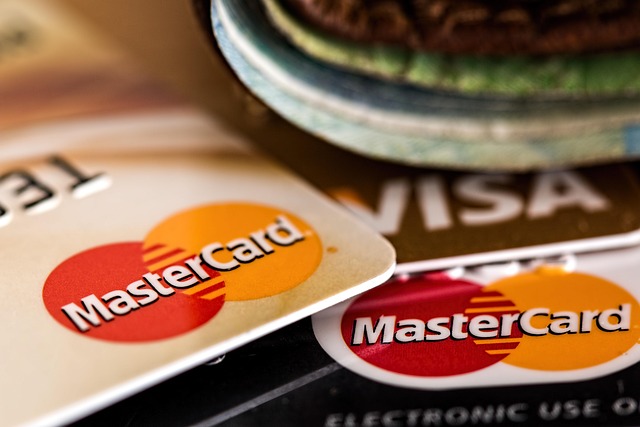
Metal wallets can scuff plastic cards with heavy raised numbers over months of continuous sliding. To minimize card wear, arrange embossed cards facing inward toward flat-printed cards, or place flat cards on the outer edges of the stack.
Anodized aluminum models can develop minor surface edge wear if carried in the same pocket as loose steel keys or pocket knives. To preserve the finish, keep your wallet in a dedicated front pocket away from sharp metal key rings.
Maintenance and replacing the elastic band
The main elastic band and cash strap are engineered to withstand thousands of stretches. However, after several years of continuous use, elastic fibers may gradually lose tension. Ridge designed the chassis to be user-serviceable:
- Use the included T5 Torx driver to remove the 14 outer screws from both sides of the frame.
- Separate the outer decorative plates from the inner RFID-blocking aluminum plates.
- Unhook the worn elastic main strap from its internal track slots.
- Thread the replacement elastic strap into the track slots on both inner plates.
- Realign the outer accent plates and tighten the T5 screws back into place.
Replacing the elastic takes under five minutes and restores original clamping tension. Additional details regarding the corporate background of Ridge (company) and broad minimalist design principles documented on Britannica highlight how modular repairability increases long-term product lifespans.
Frequently asked questions
Does the Ridge Wallet scratch credit cards?
Over long periods, repeated friction against rigid inner aluminum plates can cause minor surface scuffs on glossy plastic cards with raised numbers. Placing smooth, flat-printed cards on the outer edges of your card stack minimizes friction on embossed cards.
Is the Ridge Wallet comfortable in a front pocket?
Yes, because the wallet matches the footprint of a credit card and stays under half an inch thick, it sits comfortably in front pants pockets without restricting leg movement or creating uncomfortable pressure points when sitting down.
How long does the Ridge Wallet elastic band last?
The woven elastic band typically maintains strong tension for several years of daily use. If the elastic wears out or stretches, it can be easily replaced in under five minutes using replacement straps and the included T5 Torx screwdriver tool.
Can you carry coins in a Ridge Wallet?
No, the Ridge Wallet is strictly designed for flat cards and folded paper cash. It does not contain an enclosed coin pouch, so loose coins will slide out from between the open sides of the plates.
Does the Ridge Wallet block all RFID signals?
The wallet’s inner aluminum plates effectively block standard 13.56 MHz RFID and NFC signals used by credit cards and passports. However, lower-frequency 125 kHz RFID badges used by some office building access keycards may still pass through.