
Dreadtober 2016 Part 2 marks the critical mid-to-late phase of the annual community challenge, focusing on completing assembly, adding weathering effects, applying transfers, and varnishing your Chaos Dreadnought. By focusing on fine detailing, strategic paint chipping, streaking grime, and a sealed protective finish, you can take your model from a basic paint job to a battle-tested tabletop centerpiece before the challenge deadline.
The initial build phase brings instant satisfaction, but the secondary stage separates basic tabletop models from standout competition entries. Whether you are building a corrupted Chaos Contemptor Dreadnought, a classic box dread, or a resin variant, completing small components, applying depth through shading, and adding environmental wear gives the walker its narrative history within community hobby challenges.
How do you complete final assembly without ruining your paintwork?
Assembling every component before painting creates hard-to-reach pockets around the torso, power plants, and hip joints. Leaving delicate or obstructive parts sub-assembled allows full brush access across panel recesses and trim details during the primary painting stage.
When joining painted sub-assemblies during the final stage, select the correct adhesive based on the joint material and surface coating:
- Plastic to plastic (unpainted contact points): Thin plastic cement welds the styrene together for a permanent bond. Scraping paint off the joining faces with a hobby knife ensures a strong weld.
- Resin or metal parts: Cyanoacrylate (superglue) is required. Scuff the contact area lightly with a file to increase grip strength.
- Painted surfaces: Superglue must be used because plastic solvent cannot melt through cured acrylic paint. Use small gel-based drops to prevent runny glue from frosting adjacent detail.
Delicate items like vox-grilles, trophy racks, weapon barrels, and sensor antennae should be glued last. Painting internal exhaust bores with matte black and drybrushing gunmetal onto vents before final mounting prevents overspray onto completed armor plates.
How do you apply realistic weathering and battle damage?
A Chaos walker carries centuries of combat fatigue, warp exposure, and poor maintenance. Freshly painted armor panels look flat without chipping, streaking, and rust accumulation near high-friction zones.
To recreate convincing physical damage without damaging the underlying model sculpture, use a layered painting approach:
- Sponge stippling: Tear a small piece of blister foam, pinch it with tweezers, dab it into dark brown paint (such as Rhinox Hide), and remove 90% of the paint on a paper towel. Gently tap the foam against high-wear areas like toe guards, knee armor, and cowl edges.
- Exposed metal highlights: Using a fine detail brush (size 00 or 0), line the lower border of the largest brown chips with bright metallic silver or dark iron. This trick creates the optical illusion of exposed steel under scraped paint layers.
- Streaking grime: Apply dark brown enamel washes or oil paints along horizontal panel seams and armor rivets. Allow the enamel to dry for 15 minutes, then wipe downwards using a flat brush lightly damp with mineral spirits or isopropyl alcohol to leave realistic rain streaks and oil leaks.
- Textured corrosion: Apply textured technical paints around foot joints, leg hydraulics, and lower armor plates to mimic accumulated dirt and oxidized metal.
How do you apply decals cleanly without silvering?
Decals add Legion symbols, eye sigils, and squad numbers without requiring hours of delicate freehand work. However, applying water-slide decals directly onto matte acrylic paint causes “silvering”—where microscopic air pockets trapped beneath the transparent carrier film reflect light and create a visible silver edge.
Follow these steps for a painted-on appearance:
- Prepare the surface: Paint a coat of clear gloss varnish over the exact spot where the decal will sit and allow it to dry completely. The smooth gloss surface prevents trapped air.
- Soak and position: Submerge the decal in warm water for 15–20 seconds. Slide the graphic off the backing paper onto the model using a soft wet synthetic brush. Position it precisely before it sticks.
- Apply setting solution: Dab a decal setting solution over the transfer. This softens the carrier film, allowing it to conform around curved armor plates, rivets, and surface ridges.
- Seal the graphic: Once dry, coat the decal with another layer of gloss varnish to lock down the edges, followed later by your final matte varnish coat.
Which varnish finish works best for Dreadnoughts?
Choosing the correct final protective layer preserves your work against handling during games while unifying glossy decal edges, acrylic highlights, and oily streaks into a single consistent sheen.
| Varnish Type | Visual Sheen | Best Used For | Trade-Off / Risk |
|---|---|---|---|
When applying aerosol spray varnish, monitor outdoor humidity levels. High humidity or cold temperature causes spray droplets to dry before reaching the model, resulting in a permanent cloudy or powdery white film (“frosting”). Spray in short bursts from 10–12 inches away in dry conditions.
What common mistakes cause failures in the final phase?
Many participants struggle during Part 2 because they attempt to rush to meet the Dreadtober challenge post deadline. Avoiding these common mistakes keeps your model looking crisp:
- Over-weathering: Smearing thick rust pastes or dark washes over the entire model covers up hours of basecoating, neat trim work, and edge highlighting. Keep heavy weathering concentrated on the lower third of the model.
- Glue frosting on clear parts: Standard superglue off-gasses as it cures, leaving a white chalky residue over clear acrylic lenses or painted power orbs. Use PVA glue or specialized canopy glue for delicate clear parts.
- Skipping dry times between oil and acrylic coats: Applying acrylic varnishes over wet oil or enamel streaks causes the paint layers to wrinkle and pull away from the primer. Allow oil washes at least 24 to 48 hours to fully cure.
- Unbalanced wash pooling: Flooding large flat surfaces with wash leaves blotched tide marks. Use a clean, slightly damp brush to wick away excess wash from flat panels, leaving color only in deep recesses.
Expert techniques to refine your completed Dreadnought entry
To push your build further, draw from established painting guides and specialized materials designed for complex miniatures. Utilizing Citadel Technical paints provides dedicated solutions for fast weathering effects, such as Nihilakh Oxide for verdigris on brass fittings or Typhus Corrosion for gritty mud deposits.
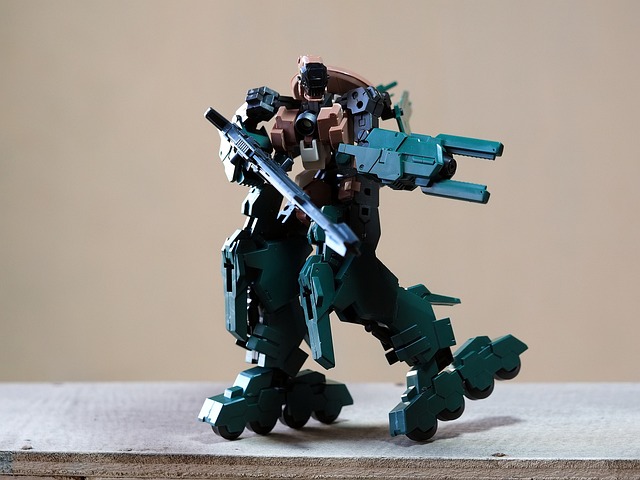
When taking final showcase photographs for your community update, place your walker on a neutral grey or white backdrop. Use two light sources positioned at 45-degree angles to eliminate harsh shadows, and avoid using direct camera flashes which wash out edge highlights and subtle wash gradients.
Related guides
- Dreadtober 2016 Pledge: Relive the Challenge and Plan
- Could Not Find A Part Of The Path Bin Roslyn Csc Exe
- Here Comes The Drama: Navigating Wedding Chaos
Frequently asked questions
What is Dreadtober Part 2 focused on?
Dreadtober Part 2 focuses on moving from initial construction and base colors to fine detailing, weathering, transfer application, basework, and sealing the model with a protective varnish finish before the challenge ends.
How do you fix varnish frosting on a completed miniature?
If matte spray varnish leaves a cloudy white film, brush a thin coat of clear gloss varnish over the frosted areas. The gloss coat restores transparency to the cloudy surface, after which you can apply a light matte coat under low humidity.
Should you glue a Chaos Dreadnought to its base before or after painting?
Mounting the legs and torso on a temporary painting handle or pinning them loosely to the base allows you to paint the underside of the chassis and detail the base terrain separately before permanent assembly.
How do you create realistic verdigris on Chaos brass details?
Apply a thin, watered-down verdigris technical paint or light turquoise wash directly into the crevices of brass or copper iconography. Wipe the raised surface clean with a damp paper towel so the blue-green oxidation remains trapped in the recesses.