The Enduring Echo of ‘Another Brick In The Wall’
Pink Floyd’s “Another Brick In The Wall” isn’t just a song; it’s a cultural touchstone that continues to provoke thought and stir emotion. Released in 1979 as part of their rock opera “The Wall,” this multi-part composition, primarily penned by bassist Roger Waters, critiques educational systems and societal conformity with a ferocity that still echoes today, as of May 2026.
Key Takeaways
- “Another Brick In The Wall” comprises three distinct parts, with Part 2 being the most commercially successful and widely recognized.
- The song famously protests against the rigid, often abusive, nature of the British schooling system and broader societal pressures.
- A significant element of Part 2 is the inclusion of a choir of schoolchildren from Islington Green School, adding a unique, raw authenticity.
- The track’s themes of alienation, conformity, and rebellion have cemented its status as an iconic protest anthem.
- As of 2026, its message remains relevant, speaking to ongoing debates about education and individual freedom.
A Product of Its Time: The Genesis of a Protest Anthem
The late 1970s were a period of significant social and political upheaval globally, and the UK was no exception. High unemployment, industrial unrest, and a general sense of disillusionment with established institutions created fertile ground for artistic critique. Pink Floyd, already established as pioneers of progressive rock, channeled this zeitgeist into “The Wall.” Roger Waters, the principal songwriter, drew heavily on his own experiences with authoritarian schooling and his observations of societal control mechanisms. The album, and “Another Brick In The Wall” within it, served as a cathartic expression of these frustrations.
The specific inspiration for “Part 2” reportedly stemmed from a schoolteacher’s comment, overheard by Waters, about further alienating a student by calling him “another brick in the wall.” This seemingly minor incident captured the essence of how individuals could feel dehumanized and reduced to mere components within larger, impersonal systems. The song’s aggressive guitar riff and Waters’ sneering vocal delivery amplify this sense of defiance against oppressive structures. According to the official Pink Floyd website, the band aimed to capture the feeling of a school playground chant, which led to the distinctive children’s choir element.
Deconstructing the Layers: Themes of Alienation and Conformity
“Another Brick In The Wall” is not a monolithic entity; it’s a tripartite exploration of a central theme. “Part 1” sets a somber, introspective tone, establishing the metaphorical “wall” as a defense mechanism built from past traumas. “Part 2,” the iconic single, directly attacks the educational system’s role in stifling individuality. “Part 3” offers a stark, nihilistic conclusion, where the protagonist, Pink, embraces the isolation the wall provides.
In “Part 2,” Waters employs biting sarcasm and direct accusation. Lines like “We don’t need no education / We don’t need no thought control” are powerful anti-establishment slogans. The song critiques a system that prioritizes rote memorization and obedience over critical thinking and personal development. The “thought control” refers to the insidious ways societies, and educational institutions in particular, can shape individuals’ minds to fit predetermined molds, preventing genuine self-expression and critical engagement with the world. This theme of enforced conformity remains acutely relevant in discussions about modern education as of 2026, with ongoing debates about curriculum standardization versus fostering individual creativity.
The Role of the Choir
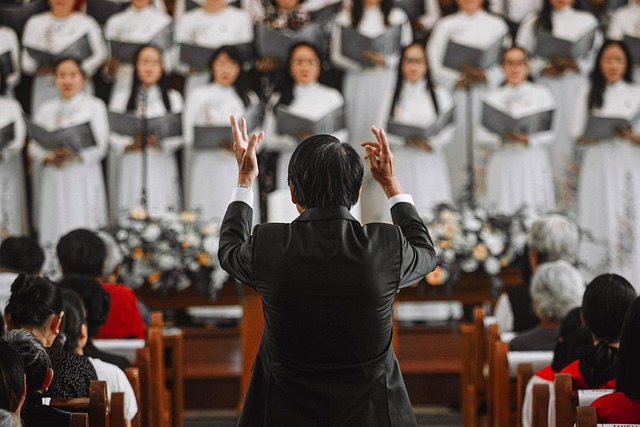
The inclusion of the children’s choir from Islington Green School in “Part 2” was a master stroke that amplified the song’s message. Their untrained, slightly raucous voices lent an unvarnished authenticity to the protest. Producer Bob Erin suggested incorporating the choir, and the band enlisted the pupils, reportedly for a fee that was a fraction of their usual recording budget. The children’s participation, while adding sonic texture, also serves as a potent symbol of innocence being subjected to, and rebelling against, institutional rigidity.
The contrast between the innocent voices of children and the harsh message of rebellion creates a deeply unsettling effect. It highlights the tragedy of young minds being shaped by systems that prioritize conformity over individual growth. The choir’s contribution underscored the idea that the disillusionment and rebellion depicted in the song are not just adult concerns but begin at a formative age. The BBC reported in 2026 that educational psychologists continue to study the long-term impacts of schooling environments on child development, a topic directly addressed by the song’s lyrical content.
The recording session for the choir was reportedly chaotic, with the children eventually given an extra £10 each as a bonus. This detail, often cited in music histories, adds to the human element behind the song’s creation. The raw energy captured that day transcended mere musical performance; it became a sonic manifestation of youthful defiance.
A Global Anthem: The Far-Reaching Impact
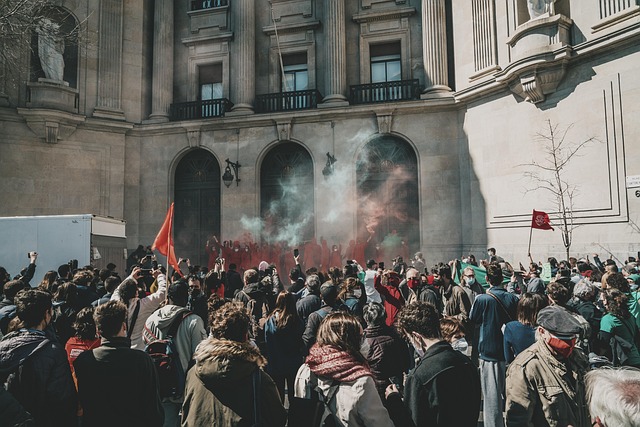
Upon its release, “Another Brick In The Wall, Part 2” quickly became a massive global hit, topping charts in numerous countries. Its success was not solely due to its catchy, disco-infused rhythm (a deliberate addition by producer Bob Erin to broaden its appeal) but its resonant message. The song transcended its origins to become an anthem for various protest movements worldwide. From students in South Africa during the apartheid era to protests in the United States and beyond, the track has been adopted as a soundtrack for resistance against oppressive regimes and unjust systems.
As of May 2026, the song’s legacy continues to be debated and analyzed. Its themes of alienation and the critique of institutional control resonate as strongly as ever, perhaps even more so in an age of pervasive digital surveillance and social media echo chambers. The narrative of Pink, the protagonist of “The Wall,” who builds a metaphorical wall around himself to cope with trauma and societal pressures, remains a compelling exploration of mental health and isolation. While the album is a complex narrative, “Part 2” stands as a powerful, standalone statement that has cemented Pink Floyd’s place in music history.
The song’s enduring popularity is evident in its continued airplay and its presence in popular culture. It’s a testament to the power of music to capture the zeitgeist and speak to universal human experiences. The Guardian noted in a 2025 retrospective that “Another Brick In The Wall” remains one of the most potent examples of rock music as social commentary, influencing subsequent generations of artists to use their platform for critique and advocacy.
The song’s commercial performance was significant, with sales certifications reflecting its widespread appeal. For instance, it achieved Platinum status in the UK and multiple other countries, underscoring its immense popularity beyond its critical acclaim. These certifications, often updated by national music industry bodies, illustrate sustained sales over decades.
Beyond the Slogan: Nuances and Misinterpretations
While “Another Brick In The Wall, Part 2” is often celebrated as a straightforward anti-education anthem, its context within “The Wall” album reveals greater complexity. The song is sung from the perspective of Pink, a character whose experiences have led him to reject all forms of external guidance, including education. The album as a whole explores the destructive consequences of such isolation, suggesting that while institutional critique is valid, complete withdrawal is not a healthy solution.
Waters himself has often emphasized that the song is a commentary on the failures of the education system, particularly its tendency towards authoritarianism and neglect, rather than a blanket condemnation of learning itself. The “education” Pink rejects is one that stifles critical thought and fosters conformity. This nuance is crucial: the song advocates for a better, more humane approach to education, not its abolition. The band’s artistic intention was to depict a character’s psychological breakdown, fueled in part by his negative experiences with schooling.
And, the disco elements, though a commercial tactic, also serve to highlight the artificiality and manufactured nature of some societal expectations. This genre choice, at odds with Pink Floyd’s usual progressive rock sound, perhaps subtly underscores the themes of superficiality and control that the song critiques. This deliberate genre blending was a significant departure for the band and contributed to the track’s unique impact.
Relevance in 2026: Still Building Walls, Still Breaking Them
Decades after its release, “Another Brick In The Wall” continues to resonate with new generations of listeners. The core themes of questioning authority, resisting conformity, and the search for individuality are timeless. In 2026, as educational systems worldwide grapple with issues of standardized testing, mental health support for students, and the role of technology in learning, the song’s critique of rigid schooling feels particularly prescient.
The song serves as a powerful reminder of the importance of fostering critical thinking and emotional well-being in educational environments. It encourages listeners to examine the “walls” society or individuals might build around themselves and to question the underlying structures that promote conformity. The inclusion of the children’s choir, a symbol of youthful potential, against the backdrop of Waters’ raw, rebellious lyrics, offers a potent blend of innocence and defiance that speaks to ongoing societal struggles.
Plus, the narrative of “The Wall” album, which “Another Brick In The Wall” anchors, provides a broader context for understanding the song’s message. It’s a story about the psychological impact of trauma, loss, and societal pressure, and how these can lead individuals to construct barriers. The song, therefore, is not just about schooling but about the broader human experience of feeling like an outsider or a cog in a machine. This narrative depth, coupled with the song’s powerful musicality, ensures its continued relevance in 2026 and beyond.
Frequently Asked Questions
What is the main message of “Another Brick In The Wall”?
The song primarily critiques oppressive educational systems and societal pressures that stifle individuality and enforce conformity, advocating for a more humane and less authoritarian approach to learning and societal structure.
Which part of “Another Brick In The Wall” is the most famous?
“Part 2” is by far the most famous and commercially successful, known for its distinctive protest lyrics, catchy rhythm, and the prominent inclusion of a children’s choir.
Who sang the children’s choir in “Another Brick In The Wall, Part 2”?
The choir consisted of pupils from Islington Green School in London, whose performance added a raw, authentic layer to the song’s anti-establishment message.
What is the historical context of the song?
Released in 1979, the song emerged from a period of social and political unrest, with songwriter Roger Waters drawing on personal experiences with authoritarian schooling and societal control.
How has “Another Brick In The Wall” impacted culture?
It has become a global anthem for protest movements, symbolizing resistance against oppression and injustice, and remains a powerful statement on themes of alienation and conformity.
Is the song still relevant in 2026?
Yes, its themes of questioning authority, educational reform, and the impact of societal structures on individuality continue to resonate, making it highly relevant today.
Final Thoughts on the Wall
“Another Brick In The Wall” stands as a monumental achievement in musical storytelling and social commentary. Its power lies not just in its sonic impact or chart success, but in its enduring ability to articulate a universal sense of rebellion against conformity and oppression. As of May 2026, the song’s message continues to echo, urging us to question the walls that confine us and to champion genuine individuality and critical thought.
Information current as of May 2026; pricing and product details may change.
Editorial Note: This article was researched and written by the Tibbs Forge editorial team. We fact-check our content and update it regularly. For questions or corrections, contact us.
Related read: Collect2 Exe Error: Ld Returned 1 Exit Status Explained
Related read: Dokkan Scout Exe: Unmasking Its Purpose and Safe Use
Related read: Gamelaunchhelper.exe Errors: Causes, Fixes, and Prevention.