The Playboy Bunny logo is a stylized rabbit silhouette wearing a black bowtie, created by art director Art Paul in 1953 for the second issue of Playboy magazine. Designed in under an hour, the emblem combines playful animal imagery with formal eveningwear to represent a mix of humorous charm and high-end lifestyle branding.
This article details the key visual features of the logo’s minimalist design, its evolution from hidden magazine covers to club uniforms and modern streetwear, its international trademark protection, its cultural legacy, and value ranges for vintage logo merchandise.
The Playboy Bunny Logo: Design History, Symbolism, and Usage
The Playboy Bunny logo is a stylized silhouette of a rabbit in profile wearing a black bowtie, created by art director Art Paul in 1953 for Playboy magazine’s second issue. Combining a playful animal symbol with formal evening attire, the logo represents a mix of whimsical charm, sexual liberation, and high-end lifestyle branding.
While millions of people recognize the iconic rabbit silhouette on clothing, magazine covers, and digital media, few realize how intentional its graphic design was. Art Paul designed the logo in under an hour, crafting an emblem that became one of the most recognizable corporate trademarks in global history alongside the Nike Swoosh and Apple’s bitten apple.
Who designed the Playboy Bunny logo and why?
The story of the Playboy Bunny logo began in late 1953. Following the unexpected newsstand success of Playboy magazine’s debut issue—which featured Marilyn Monroe on the cover but lacked a unified brand mark—founder Hugh Hefner realized the publication needed a permanent symbol. He turned to Arthur “Art” Paul, a Chicago freelance illustrator who became the magazine’s first art director.
Hefner requested a visual emblem that was both humorous and sophisticated. Paul chose a rabbit silhouette for several key design reasons:
- Playful associations: In folklore and pop culture, rabbits are viewed as lively, energetic, and sexually active creatures.
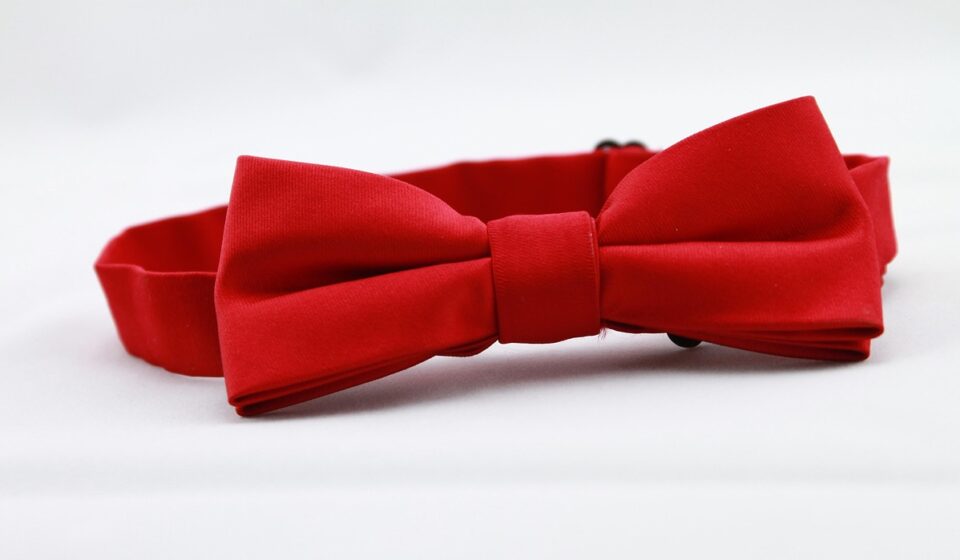
- Visual contrast: Dressing an animal in formal eveningwear—specifically a crisp white collar and black bowtie—created an ironic juxtaposition between wild nature and high-society refinement.
- Simplicity: A flat profile vector could easily be printed on rough paper stocks, stamped onto metal keychains, or rendered in small sizes without losing definition.
The logo made its official debut in the second issue of Playboy in December 1953. It was positioned at the top of the contents page and quickly became the visual centerpiece for the entire media company.
What are the key visual features of the logo design?
The Playboy Bunny logo is a standard in minimalist graphic design. Its lasting power stems from geometric simplicity and sharp tonal contrast. The primary visual components include:
The head profile: The rabbit is always depicted in a left-facing profile, featuring smooth, continuous contour lines that define the muzzle, forehead, and back of the head.
Upright ears: Two long, parallel ears extend straight upward, with the rear ear slightly offset to create a sense of depth and dimension despite the flat silhouette.
The bowtie and collar: A sharp, angular bowtie rests directly beneath the chin, attached to a partial collar line. This element provides immediate context, transforming a simple animal graphic into a dapper character.
Monochromatic balance: The logo is traditionally rendered in solid black against a white background or solid white against black. This monochromatic scheme allows for effortless reproduction across print publishing, silk-screened textiles, etched glassware, and digital screens.
Because the design relies on basic vector shapes rather than fine gradients or detailed linework, it remains legible whether printed as a thumbnail on a watch dial or scaled up to fill a building backdrop.
How has the logo evolved across print, clubs, and fashion?
Although the core silhouette created by Art Paul has remained virtually unchanged for over seven decades, the logo’s applications have expanded dramatically through distinct cultural phases.
The hidden bunny cover tradition
Starting in the mid-1950s, Playboy magazine established a playful tradition: hiding the bunny logo within the front cover art or cover photography. Readers would search the image to find the tiny rabbit outline disguised as a shadow, a pattern on clothing, a button, or an element of background scenery. This recurring visual puzzle turned the logo into an interactive game, reinforcing brand engagement every month.
The 3D translation: Playboy Clubs
In 1960, the brand expanded from publishing into physical hospitality with the opening of the first Playboy Club in Chicago. To bring the two-dimensional logo into three dimensions, designer Ilba Heintz helped develop the uniform worn by the hostesses and waitresses, known as Playboy Bunny hostesses. The costume translated the logo’s exact visual cues into physical wear: a strapless satin corset, satin bunny ears, a white collar with a black bowtie, matching cuffs, and a fluffy white cottontail. If you are exploring how fashion branding moves from print to live environments, see Remote Sensing News: Earth Observation Trends for brand extension examples.
Streetwear and modern apparel
By the late 1990s and 2000s, the logo shifted from adult entertainment into mainstream fashion. During the Y2K fashion trend, the bunny graphic became a popular motif on denim, jewelry, activewear, and footwear. High-end streetwear brands, including Supreme, alongside mainstream retailers like PacSun and Missguided, licensed the logo for apparel collections. This transition detached the image from magazine racks and established it as a retro pop culture motif favored by younger generations.
What is the legal status and trademark protection of the bunny logo?
The Playboy Bunny logo is owned by PLBY Group, Inc. (formerly Playboy Enterprises) and is one of the most aggressively defended commercial trademarks in international business law. Because the silhouette is simple, unauthorized vector downloads, counterfeit clothing, and bootleg merchandise are widespread on the internet.
Vector format specifications and commercial rights
Designers and market research teams working with trademarked assets must navigate strict licensing rules regarding vector files:
- File types: Official vector renders of the logo are produced in SVG, EPS, and AI formats to preserve clean vector paths at infinite resolution. Raster files like PNG or JPEG are used primarily for web display with transparent or solid backgrounds.
- Personal vs. commercial use: Downloading a vector graphic of the bunny logo for personal art projects or design study falls under educational research, but selling physical products (such as t-shirts, stickers, or decals) bearing the logo without an explicit commercial license from PLBY Group is trademark infringement.
- Trademark enforcement: PLBY Group maintains an active legal pipeline to issue takedown notices and file copyright claims against unauthorized sellers on third-party e-commerce platforms.
When incorporating corporate iconography into editorial or creative mockups, graphic artists should ensure they convert text and paths cleanly while strictly adhering to fair use guidelines.
What cultural debates surround the logo’s legacy?
Few graphic symbols carry as much cultural debate as the Playboy Bunny. Over the decades, it has been viewed through vastly different social lenses.
During the 1960s, supporters viewed the logo as a emblem of the sexual revolution, modern hedonism, and a break from rigid post-WWII social norms. The logo represented an accessible vision of mid-century bachelor sophistication and glamour.
Conversely, feminist critics have long cited the logo as a primary symbol of male gaze culture and the objectification of women. The reduction of female club staff to uniform-clad “bunnies” remains a core focal point of media analysis regarding gender roles in 20th-century entertainment.
At the same time, many women who worked in the original clubs reported that the role offered higher pay, stricter security standards, and better professional networking than traditional hospitality jobs of the 1960s. Today, the logo exists in a space of historical nostalgia, serving as a landmark visual from the era of the original Playboy Mansion parties while triggering ongoing debate about gender presentation in branding.
Collecting original Playboy logo merchandise
Because the logo was applied to thousands of consumer items during the brand’s peak expansion in the 1960s, 1970s, and 1980s, vintage logo merchandise has a dedicated collector market.
| Item Category | Common Vintage Examples | Value Range (USD) | Key Value Factors |
|---|---|---|---|
| Club Memorabilia | Key cards, glass ash trays, cocktail shakers, brass door keys | $25 – $300 | Specific club location (e.g., Chicago, London, Miami), physical condition, stamp clarity |
| Original Uniforms | Authentic 1960s–1980s Bunny host costume parts, ears, name tags | $500 – $3,500+ | Completeness of uniform, provenance, physical preservation of satin and boning |
| Print & Publishing | Issue #2 (1953), early signed magazine covers, promotional posters | $100 – $5,000+ | Grade/condition, Hugh Hefner or cover model signature, historical rarity |
| Modern Fashion Drops | Supreme collaboration hoodies, limited jewelry runs | $80 – $600 | Original drop year, brand partnership reputation, unworn condition |
Collectors evaluate items based on the crispness of the bunny silhouette stamping, manufacturing dates, and official trademark markings stamped on the reverse side of metals or glassware.
Frequently asked questions
Who designed the Playboy Bunny logo?
The logo was designed by Art Paul, Playboy magazine’s founding art director, in 1953. He created the famous silhouette in under an hour for the publication’s second issue.
What does the bowtie on the Playboy Bunny represent?
The bowtie represents formal tuxedo attire, adding an element of dapper sophistication and irony to the wild, playful imagery of a rabbit.
Is the Playboy Bunny logo free to use for commercial products?
No, the Playboy Bunny logo is a registered trademark owned by PLBY Group, Inc. Using the silhouette on commercial merchandise without an official license is illegal.
Why was a rabbit chosen as the Playboy mascot?
Hugh Hefner and Art Paul selected a rabbit because the animal carries humorous, energetic, and sexual connotations, making it an ideal tongue-in-cheek symbol for an adult lifestyle brand.
Where did the hidden bunny cover tradition start?
The tradition started in the mid-1950s print issues, where magazine illustrators concealed small bunny silhouettes inside front cover photos and artwork for readers to locate.