What is Heat Stained Metal?
Heat stained metal, also known as heat tinting or thermal discoloration, refers to the iridescent or colored patterns that appear on metal surfaces when they are subjected to high temperatures. This phenomenon is a result of oxidation; as the metal heats up, a thin layer of oxide forms on its surface.
Last updated: May 30, 2026
The thickness of this oxide layer determines the color observed due to light interference. Different thicknesses refract light differently, creating a spectrum of colors from pale yellow and straw to deep blue and purple. This effect is common in many metals, including steel, titanium, and brass, and is a key consideration in applications where precise finishes are required.
Understanding the Causes and Formation
The primary cause of heat staining is exposure to elevated temperatures, typically above 200°C (392°F) for steel. This can occur during manufacturing processes like welding, forging, heat treating, or even through prolonged exposure to heat in its operational environment. The specific temperature and duration of exposure directly influence the colors and intensity of the heat stains.
For instance, welding often creates localized heat discoloration. Similarly, if a steel component is used in a high-temperature application, such as exhaust systems or cookware, it will naturally develop these heat-induced colors. The atmosphere in which the heating occurs also plays a role, with oxygen availability being crucial for the oxidation process.
The Cost Implications of Heat Stained Metal
As of May 2026, the cost associated with heat stained metal is complex. Initially, the formation of heat stains might be an unintended consequence of a process, meaning there’s no direct cost for the stain itself, but rather for the process that caused it. However, if these stains are undesirable, the cost shifts to their removal or prevention.
Removing heat stains typically involves mechanical methods like grinding, sanding, or polishing, or chemical treatments such as pickling and passivation. Each of these methods incurs labor, material, and equipment costs. For example, extensive grinding can remove material, potentially altering the dimensions or strength of the part, leading to scrap or rework costs. Chemical treatments require specialized facilities and disposal protocols, adding to the overall expense.
In contrast, if heat staining is intentionally sought for aesthetic purposes, the cost is tied to controlled heating processes and potentially the application of protective coatings. The value here is in the unique, often artisanal, finish. Understanding the application and desired outcome is paramount in assessing the true cost.
The Value Proposition: Aesthetic and Functional
While often viewed as a defect, heat stained metal can offer significant value, both aesthetically and functionally. For artists, custom fabricators, and designers, the iridescent hues created by heat tinting are highly sought after for their unique, organic, and visually striking appearance. This makes it a desirable finish for sculptures, decorative elements, and bespoke metalwork.
Functionally, the oxide layer formed during heat tinting can sometimes offer enhanced corrosion resistance, particularly if the metal is properly passivated afterward. This is especially true for stainless steels, where the oxidation process can help form a more strong passive layer. This added durability can extend the lifespan of a product, reducing long-term replacement costs and maintenance needs.
According to a 2025 industry review of specialty metal finishes, custom heat-treated metallic effects command a premium of 15-30% over standard polished or brushed finishes when used in architectural or decorative applications.
Identifying and Assessing Heat Stains
Identifying heat stains is generally straightforward. They appear as distinct color patterns – often blues, purples, yellows, and oranges – that transition across the metal surface, unlike surface coatings or paints. The key is to distinguish them from other forms of discoloration, such as rust or chemical contamination.
When assessing heat stains, consider the context. Are they uniform and intentional, or patchy and accidental? If accidental, how extensive are they? Their impact on the metal’s integrity is also crucial. For critical applications, extensive heat discoloration, particularly if it indicates overheating beyond the metal’s tempering range, can signify reduced mechanical properties.
Prevention Strategies for Cost Control
Preventing unwanted heat stains is often more cost-effective than removing them. For processes like welding, using appropriate shielding gases and techniques can minimize heat input and reduce the affected area. Proper joint preparation and efficient welding speeds are also beneficial.
In heat-treating operations, controlled atmospheres or vacuum furnaces can prevent oxidation altogether, eliminating heat tinting. If controlled heating is necessary for a specific finish, precise temperature control and timing are essential to achieve predictable results without over-processing. For components operating in high-heat environments, selecting materials with higher heat resistance or applying specialized high-temperature coatings can mitigate discoloration.
The cost of prevention varies. Implementing controlled atmosphere furnaces can be a significant capital investment, but it eliminates rework and ensures consistent quality. Simple techniques like optimizing welding parameters are low-cost but require skilled execution.
Removal Techniques and Associated Costs
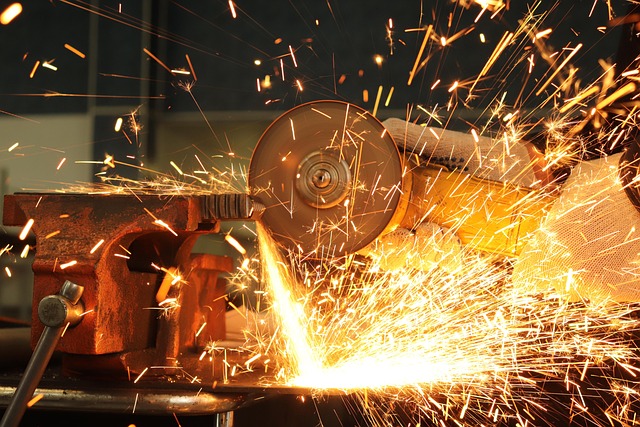
When heat stains are undesirable, several removal methods are available, each with its own cost profile. Mechanical removal, such as grinding or abrasive blasting, is effective but can be labor-intensive and may alter the surface finish and dimensional tolerances. The cost here depends heavily on the size of the affected area and the required finish quality.
Chemical cleaning, typically involving pickling (acid immersion) followed by passivation, is another common method. Pickling removes the oxide layer, while passivation restores the protective oxide film. This process is effective for larger batches and complex shapes but requires careful handling of corrosive chemicals, specialized equipment, and compliance with environmental regulations. As of 2026, industrial pickling services can range from $0.50 to $5.00 per square foot, depending on the metal and complexity.
For stainless steel, electro polishing can simultaneously remove heat tints and provide a very smooth, bright finish, but it’s a more expensive process, typically costing $5 to $15 per square foot.
Intentional Heat Tinting for Artistic Value
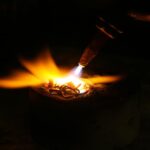
For artists and custom metal fabricators, heat tinting is a deliberate technique to achieve unique visual effects. The process involves carefully heating the metal, often with a torch, to produce a gradient of colors. This requires skill and practice to control the heat and achieve the desired aesthetic.
The value derived from intentional heat tinting lies in its uniqueness and artistic merit. Unlike mass-produced finishes, each piece of heat-tinted metal is one-of-a-kind. This artisanal quality commands higher prices in the art and custom fabrication markets. A custom-made steel sculpture featuring deliberate heat-tinted colors might sell for double the price of a similar piece with a standard finish.
The cost of achieving these intentional effects includes the time of skilled labor, the cost of fuel for heating, and any post-treatment sealing or clear coating to protect the delicate colors. The perceived value, however, often far outweighs the material and process costs.
Budgeting for Metal Finishes in 2026
When budgeting for metal projects in 2026, consider heat staining as part of the overall finish strategy. If the goal is a raw, industrial, or artistic look, embrace the heat tinting and factor in costs for controlled application and protection. This can be a cost-effective way to achieve a high-value aesthetic compared to more complex finishing processes.
If, however, a pristine, uniform surface is required, prevention is key. Invest in proper welding techniques, controlled heating processes, or inert atmosphere treatments. If stains do occur, compare the costs of removal methods (mechanical vs. Chemical) against the potential for rework or scrap. Sometimes, accepting a minor, localized heat stain might be the most budget-friendly option if it doesn’t compromise functionality or overall aesthetics.
The key is to have a clear understanding of the desired outcome for the metal finish and to plan accordingly. Consulting with metal finishing specialists can provide invaluable insights into the most cost-effective approaches for your specific project requirements.
Common Mistakes and Solutions
A common mistake is treating all heat stains as identical defects. In reality, their impact varies greatly. For example, a slight straw-colored tint on a structural steel beam is usually inconsequential, but the same tint on a high-precision machined part could indicate a loss of hardness.
Another mistake is assuming removal is always the best solution. Sometimes, intentional heat tinting or accepting minor discoloration can add character and save significant costs. The solution is to assess each instance individually based on the metal’s application and the required standards.
Over-grinding to remove heat stains is another frequent error. This can lead to uneven surfaces and weakened material. The solution is to use the least aggressive method necessary and to carefully monitor the process, often opting for chemical treatments or controlled polishing when precision is paramount.
Tips for Managing Heat Stains Cost-Effectively
For projects where heat staining is unavoidable or desirable, embrace the aesthetic. Controlled heating with a torch, or even intentional annealing in a kiln, can produce beautiful, unique color patterns. Sealing these colors with a clear coat or wax can add durability and prevent further unwanted oxidation.
When prevention is necessary, invest in proper training for personnel involved in high-heat processes like welding or forging. Small adjustments in technique can prevent costly rework. For critical components, consider investing in vacuum furnaces or controlled atmosphere ovens, which, while having a higher upfront cost, ensure consistent quality and eliminate the need for post-process stain removal.
In scenarios where heat staining is a byproduct of operation, selecting materials with inherent resistance to thermal discoloration, such as certain grades of stainless steel or titanium alloys, can be a long-term cost-saving measure, reducing maintenance and replacement cycles.
Frequently Asked Questions
Can heat stains be removed from metal?
Yes, heat stains can be removed using mechanical methods like grinding or polishing, or chemical treatments such as pickling and passivation. The effectiveness and cost depend on the metal type, stain severity, and desired finish.
Is heat stained metal weaker?
Generally, minor heat staining doesn’t significantly weaken the metal. However, severe discoloration, especially if it indicates overheating beyond tempering temperatures, can indicate compromised mechanical properties and reduced strength.
How much does it cost to remove heat stains?
Costs vary widely, from a few dollars per square foot for basic chemical pickling to $15 or more for specialized processes like electro polishing. Labor, material, and equipment costs are the primary drivers.
Can heat staining be used for decorative purposes?
Absolutely. Intentional heat tinting creates unique, iridescent colors and is highly valued in art, sculpture, and custom metal fabrication for its aesthetic appeal.
What is the difference between heat stain and rust?
Heat stain is a result of oxidation at high temperatures, creating iridescent colors. Rust is iron oxide, typically reddish-brown and flaky, forming on iron or steel at lower temperatures in the presence of moisture and oxygen.
Are there cost-effective ways to prevent heat stains?
Yes, optimizing welding parameters, using controlled heating processes, and employing inert atmospheres or vacuum furnaces are effective prevention methods that can save on rework costs.
Information current as of May 2026; pricing and product details may change.
Source: Wired
Editorial Note: This article was researched and written by the Tibbs Forge editorial team. We fact-check our content and update it regularly. For questions or corrections, contact us. Knowing how to address Heat Stained Metal early makes the rest of your plan easier to keep on track.